










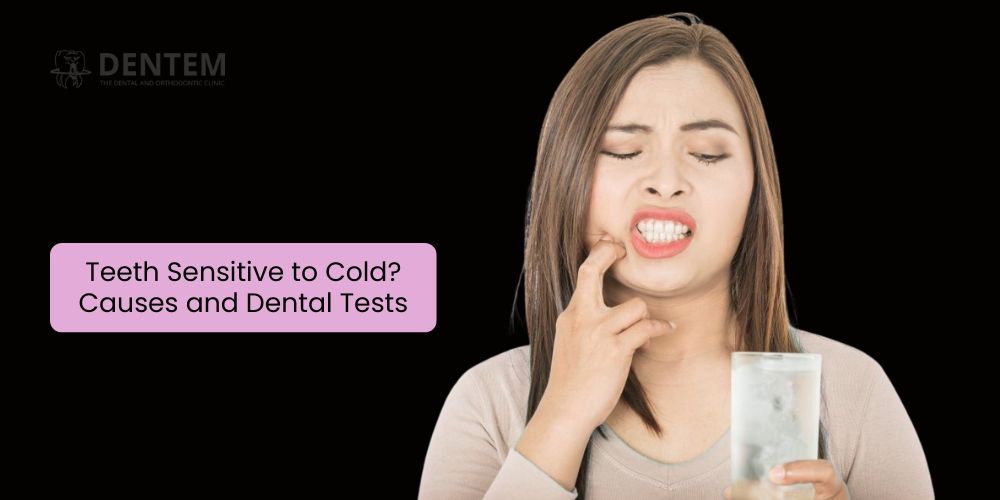
Teeth Sensitive to Cold? Causes and Dental Tests
If you feel a sudden sharp pain in your teeth whenever you sip cold water or enjoy ice cream, you are not alone. Tooth sensitivity to cold is one of the most common dental issues people face today. The good news is that it is usually treatable once you understand the cause and get the right dental guidance. If you are looking for proper help, visiting a trusted Dentist in Delhi like the experts at Dentem Clinic can make a big difference.
In this blog, we will explore the common causes of cold sensitivity and the dental tests that help in finding the right solution.
Common Causes of Sensitivity to Cold
1. Worn-out Tooth Enamel
Enamel is the outer layer of the tooth that protects the inner sensitive area. When enamel becomes thin due to age, hard brushing, or acidic foods, cold sensations reach the nerves easily, causing discomfort.
2. Gum Recession
When gums pull away from the teeth, the roots become exposed. Tooth roots do not have enamel, so they react quickly to cold foods and drinks. Gum recession is often linked to brushing too hard or gum disease.
3. Cavities
A cavity can create tiny openings in your tooth surface. These allow cold signals to reach the nerve directly and cause sudden pain. Untreated cavities can make sensitivity more severe over time.
4. Cracked Tooth
A small crack in the tooth may be difficult to notice, but it can increase sensitivity. The crack allows temperature changes to affect the tooth nerve.
5. Recent Dental Treatments
It is common to feel temporary sensitivity after a filling, cleaning, whitening, or crown work. This usually settles down on its own in a few days or weeks.
6. Acidic Food Habits
Frequent consumption of lemon water, pickles, colas, and packaged juices can slowly wear away enamel, making teeth more sensitive.
Aslo Read:- Complete Resource for Dental Care, Treatments, and Oral Health
Dental Tests to Diagnose the Cause
To properly treat sensitivity, your dentist first needs to find the exact reason behind it. At Dentem Clinic, known for having some of the Best Dentists in Delhi, a few simple tests help in diagnosing the problem.
1. Clinical Examination
The dentist will check your teeth and gums for signs of cavities, enamel wear, gum recession, or cracks. This is usually the first step and gives a clear idea of the areas of concern.
2. Cold Sensitivity Test
A gentle cold stimulus may be applied to specific teeth to understand how they react. This helps identify which tooth is causing discomfort and how severe the sensitivity is.
3. X Rays
Dental X rays help the dentist look inside the tooth and below the gumline. They help detect hidden cavities, fractures, and infections that may not be visible during a normal check.
4. Bite Test
If your dentist suspects a cracked tooth, they may ask you to bite on a small device to see if pain or pressure increases. This helps pinpoint cracks or fractures.
5. Gum Health Evaluation
Since gum recession is a major cause of sensitivity, your dentist will also check the health of your gums. This includes measuring pocket depth to track early signs of gum disease.
Treatment Options for Cold Sensitivity
After identifying the cause, your dentist will recommend suitable treatment. Some common solutions include:
1. Desensitising Toothpaste
These toothpastes help block pain signals from the tooth surface to the nerve. They offer gradual relief with regular use.
2. Fluoride Application
A fluoride gel or varnish strengthens enamel and reduces sensitivity. This is a simple and effective in clinic procedure.
3. Filling or Restoration
If a cavity or worn tooth surface is causing the sensitivity, a filling can help seal the area and protect the tooth.
4. Gum Treatment
For gum recession, your dentist may suggest deep cleaning or advanced gum procedures to restore gum health.
5. Root Canal Treatment
In severe cases where the tooth nerve is deeply affected, root canal treatment may be recommended to eliminate pain permanently.
Simple Home Care Tips
Along with treatment, a few lifestyle changes can also support your dental health:
- Use a soft bristle toothbrush
- Avoid very acidic foods and drinks
- Do not brush immediately after having something acidic
- Maintain proper brushing and flossing habit
- Visit your dentist regularly for early detection
When Should You See a Dentist?
If your sensitivity lasts more than a week, is worsening, or makes it difficult to eat or drink normally, it is time to consult a professional. A reliable Dentist in Delhi, like the team at Dentem Clinic, can help identify the root cause and offer the right treatment so you can enjoy cold drinks and desserts without worry.
Tooth sensitivity to cold is uncomfortable but not something you have to live with. With proper diagnosis and timely care, most cases can be treated easily. Trusting experienced professionals from one of the Best Dentists in Delhi ensures that your teeth stay healthy, strong, and free from sensitivity.
If you are struggling with sensitivity, consider visiting Dentem Clinic for a complete evaluation and personalised care.