









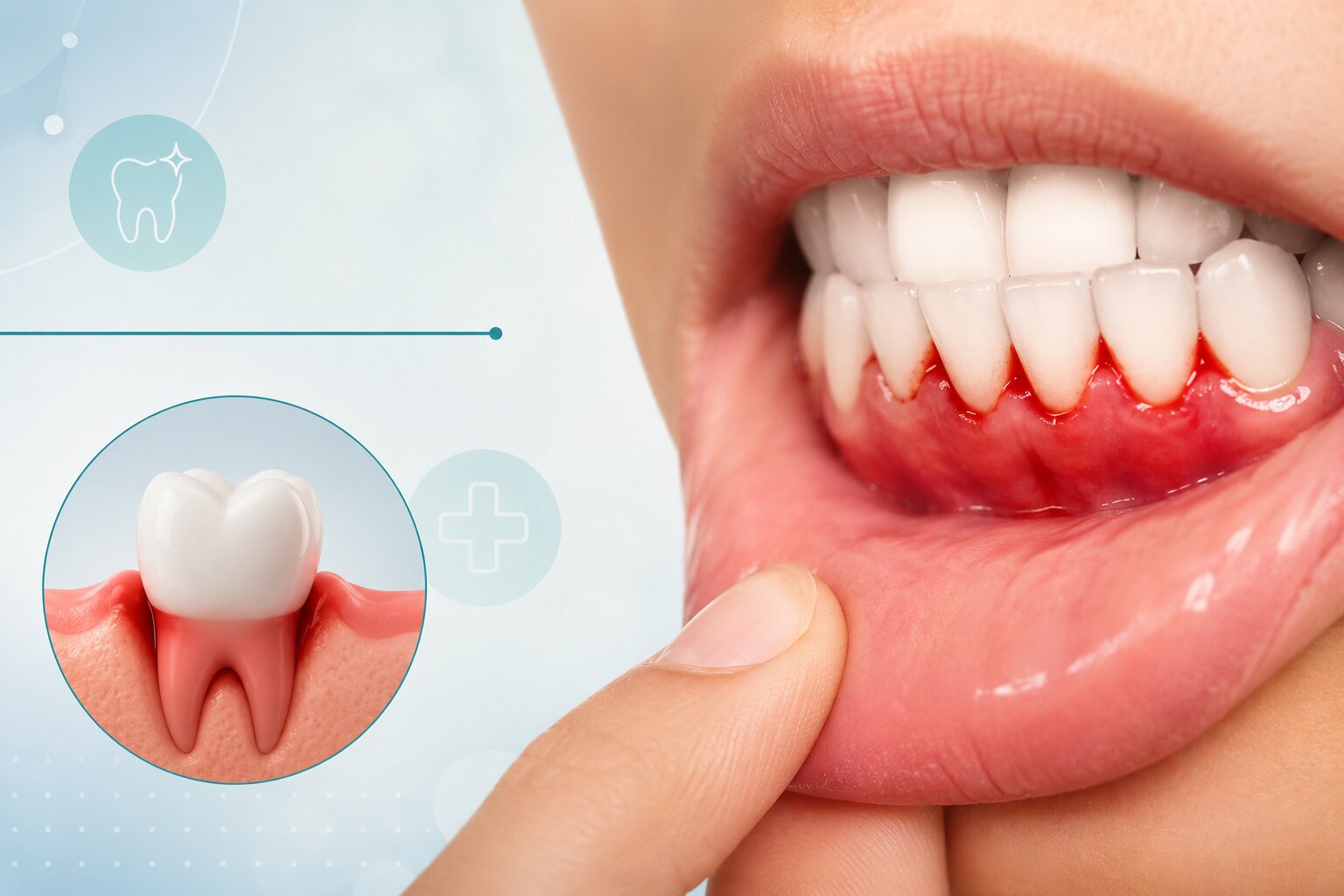
Bleeding Gums: What Causes Them and When to Seek Dental Care
Have you noticed blood while brushing or flossing your teeth? Many people ignore bleeding gums, thinking it is normal. In reality, healthy gums should not bleed. Even if the bleeding happens only once in a while, it could be an early sign that your gums need attention.
The good news is that most gum problems can be treated when they are found early. Knowing the causes and getting the right care can help protect your teeth and keep your smile healthy.
If you are looking for an experienced dentist in Delhi, the team at Dentem Clinic can examine your gums, find the cause of the bleeding, and recommend the right treatment before the problem becomes more serious.
Are Bleeding Gums Normal?
No. Healthy gums are firm, pink, and should not bleed during brushing or flossing.
Occasional bleeding can happen if you have started flossing after a long break or if you brush too hard. However, if your gums bleed often, it is usually a sign that something is wrong. The sooner you address it, the easier it is to treat.
Common Causes of Bleeding Gums
1. Poor Oral Hygiene
The most common cause of bleeding gums is not removing plaque from your teeth every day. Plaque is a sticky layer of bacteria that forms after eating and drinking. If it stays on your teeth for too long, it can irritate your gums.
Signs include:
- Bleeding while brushing
- Red or swollen gums
- Bad breath
- Tender gums
Professional cleaning and better daily brushing habits can usually solve this problem.
2. Gum Disease
If plaque is left untreated, it can lead to gum disease. In the early stage, your gums may become swollen and bleed easily. If ignored, the infection can spread deeper and damage the bone that supports your teeth.
Common symptoms include:
- Bleeding gums
- Gums pulling away from the teeth
- Loose teeth
- Ongoing bad breath
Visiting a dentist in Delhi as soon as you notice these signs can help stop the disease before it causes permanent damage.
3. Brushing Too Hard
Many people think brushing harder cleans better, but the opposite is true. Using too much pressure or a hard-bristled toothbrush can hurt your gums and cause bleeding.
Instead:
- Use a soft-bristled toothbrush.
- Brush gently for two minutes.
- Replace your toothbrush every three months.
4. Flossing Incorrectly
If you have recently started flossing, you may notice slight bleeding for a few days. This usually improves as your gums become healthier.
However, if bleeding continues for more than a week, you should schedule a dental check-up.
5. Vitamin Deficiency
A lack of certain vitamins, especially Vitamin C and Vitamin K, may make your gums more likely to bleed.
Eating a balanced diet with fresh fruits, vegetables, and healthy foods supports healthy gums and overall oral health.
6. Hormonal Changes
Some people experience bleeding gums during pregnancy or because of other hormonal changes. Hormones can make gums more sensitive, allowing plaque to cause irritation more easily.
Regular dental check-ups during pregnancy are safe and help keep both the mother and baby healthy.
7. Smoking and Tobacco Use
Smoking weakens your body’s ability to fight infection. It increases the risk of gum disease and slows healing after dental treatment.
Quitting tobacco is one of the best ways to improve both your oral health and your overall well-being.
Warning Signs You Should Never Ignore
You should book a dental appointment if you notice:
- Bleeding gums every time you brush
- Swollen or red gums
- Persistent bad breath
- Pain while chewing
- Loose teeth
- Receding gums
- Pus around the gums
These symptoms may point to a problem that requires professional care.
How Dentists Treat Bleeding Gums
The right treatment depends on the cause. At Dentem Clinic, every patient receives a careful examination before treatment begins.
Treatment may include:
- Professional teeth cleaning to remove plaque and tartar
- Deep cleaning if gum disease is present
- Advice on proper brushing and flossing
- Treatment for gum infections
- Regular follow-up visits to monitor healing
The earlier treatment starts, the better the outcome.
Read More:- Dentist in Delhi
Tips to Prevent Bleeding Gums
Healthy gums begin with good daily habits.
- Brush twice a day with fluoride toothpaste.
- Use a soft toothbrush.
- Floss once every day.
- Rinse your mouth after meals when possible.
- Eat a balanced diet rich in fruits and vegetables.
- Drink plenty of water.
- Avoid smoking and tobacco products.
- Visit your dentist every six months for a routine check-up.
Small daily habits can prevent bigger dental problems later.
Why Early Dental Care Matters
Ignoring bleeding gums may seem harmless at first, but untreated gum disease can lead to tooth loss and affect your overall health. Regular dental visits allow problems to be found and treated before they become more serious.
If your gums bleed regularly, don’t wait for the condition to worsen. An experienced dentist in Delhi can identify the cause and recommend the right treatment to restore your gum health.
Why Choose Dentem Clinic?
At Dentem Clinic, patient comfort and quality care come first. Whether you need a routine cleaning or treatment for gum disease, our experienced dental team focuses on providing personalized care in a clean and welcoming environment.
If you’re searching for a trusted dentist in Delhi, Dentem Clinic offers modern dental care, clear treatment guidance, and a commitment to helping every patient achieve healthy gums and a confident smile.
Frequently Asked Questions (FAQs)
1. Is it normal for gums to bleed while brushing?
No. Healthy gums should not bleed. If your gums bleed often, it is best to visit a dentist to find the cause.
2. Can bleeding gums heal on their own?
Mild irritation may improve with better brushing and flossing. However, if the bleeding continues for more than a few days, professional dental care is recommended.
3. Can gum disease cause tooth loss?
Yes. If gum disease is left untreated, it can damage the bone and tissues that support your teeth, increasing the risk of tooth loss.
4. How often should I visit a dentist for healthy gums?
Most people should have a dental check-up and professional cleaning every six months. Your dentist may recommend more frequent visits if you have gum disease.
5. Does smoking increase the risk of bleeding gums?
Yes. Smoking and tobacco use increase the risk of gum disease, slow healing, and make it harder for your gums to stay healthy.
6. When should I seek dental care for bleeding gums?
If your gums bleed regularly, feel swollen, are painful, or you notice bad breath or loose teeth, schedule an appointment as soon as possible. Early treatment is usually simpler and more effective.