









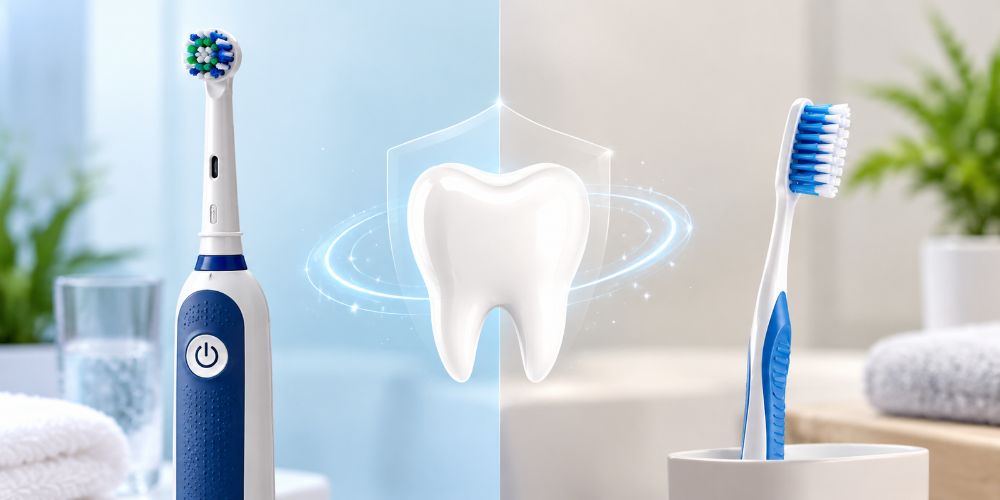
Is an Electric Toothbrush Better Than a Manual One? What Dentists Recommend
Choosing between an electric toothbrush and a manual toothbrush may seem like a small decision, but it can make a difference to your daily oral hygiene routine. Both types can help remove plaque, protect your gums, and keep your teeth clean when used correctly. However, an electric toothbrush may offer some advantages, particularly for people who struggle with brushing technique or maintaining a consistent routine.
So, is an electric toothbrush really better than a manual one? The answer depends on your brushing habits, oral health needs, comfort, and budget.
At Dentem Clinic, maintaining good oral hygiene starts with understanding the right brushing technique and choosing dental care products that suit your individual needs. Whether you prefer a traditional toothbrush or an electric model, the goal is to clean every tooth effectively without irritating your gums.
If you are looking for a trusted Dentist in Delhi, understanding these differences can help you make a more informed decision about your dental health.
Electric vs Manual Toothbrush: What Is the Difference?
The main difference is how the toothbrush moves to remove plaque, a sticky layer of bacteria that builds up on teeth and along the gumline.
An electric toothbrush uses a motor to move its bristles automatically. Depending on the model, the brush head may rotate, oscillate, or vibrate. A manual toothbrush relies on your hand movements to clean the teeth.
Both can support good oral hygiene, but an electric toothbrush may make brushing easier for some people. Research reviewed by Cochrane found that powered toothbrushes reduced plaque and gingivitis more effectively on average than manual toothbrushes, although the long-term clinical significance of these differences remains uncertain.
1. What Are the Benefits of an Electric Toothbrush?
Electric toothbrushes are designed to make brushing more consistent and convenient. Here are some potential benefits.
Better plaque removal for some users
Plaque can accumulate around the gumline, between teeth, and in areas that are difficult to reach. Some electric toothbrushes, particularly oscillating-rotating models, have demonstrated better plaque removal than manual brushes in clinical studies.
Removing plaque regularly helps reduce the risk of gum inflammation and contributes to cavity prevention. However, no toothbrush can completely prevent dental problems without proper brushing, cleaning between teeth, and regular dental check-ups.
Built-in timers encourage proper brushing
Many electric toothbrushes include a two-minute timer or alerts that divide brushing into four sections of the mouth.
These features can help you spend enough time cleaning each area instead of rushing through your routine. The American Dental Association recommends brushing for two minutes, twice daily, with a soft-bristled toothbrush.
Helpful for people with limited hand movement
People with arthritis, reduced hand mobility, or difficulty controlling small hand movements may find electric toothbrushes easier to use.
Because the brush head supplies the cleaning motion, users can focus on guiding it across the teeth rather than repeatedly making brushing strokes themselves.
May help people who brush too aggressively
Some electric toothbrushes include pressure sensors that alert you when you apply excessive force. This can help people who tend to scrub their teeth too hard.
Brushing with excessive pressure can contribute to gum irritation, gum recession, and wear around the exposed tooth surfaces. A pressure sensor is useful, but gentle technique remains essential.
Convenient for people with braces
Brackets and wires can make cleaning more challenging. An electric toothbrush may help people with orthodontic appliances maintain a consistent brushing routine, although special attention is still needed around brackets and along the gumline.
If you wear braces, a dentist can recommend the most suitable brush head and demonstrate the correct technique.
2. What Are the Benefits of a Manual Toothbrush?
A manual toothbrush remains a practical and effective choice for everyday oral hygiene. You do not necessarily need an expensive electric model to keep your teeth and gums healthy.
Affordable and easy to find
Manual toothbrushes are generally less expensive than electric toothbrushes and are widely available at pharmacies, supermarkets, and local stores. This makes them a convenient option for families and individuals who prefer a simple oral care routine.
Easy to carry while travelling
Manual toothbrushes are lightweight, compact, and do not require charging or batteries. They are easy to pack for holidays, work trips, and everyday use outside the home.
Effective when used with the correct technique
A manual toothbrush can remove plaque effectively when you brush thoroughly and gently for the recommended duration. Choosing a soft-bristled brush with a comfortable handle and appropriately sized head can help you reach different areas of your mouth.
Gives you direct control over brushing
Some people prefer manual toothbrushes because they can control the direction, speed, and pressure of every brushing movement.
However, this control also means you must pay attention to your technique. Scrubbing too hard or missing certain areas can reduce the effectiveness of your routine.
The bottom line: A manual toothbrush is not an inferior choice simply because it is less expensive. Consistent brushing, good technique, and regular dental care matter more than the price of your toothbrush.
3. Electric vs Manual Toothbrush: A Quick Comparison
| Feature | Electric toothbrush | Manual toothbrush |
| Plaque removal | May provide a modest advantage for some models | Effective with correct technique |
| Brushing timer | Available on many models | Requires a separate timer or clock |
| Pressure control | Sensors available on some models | Depends on the user’s technique |
| Cost | Usually more expensive | Generally affordable |
| Portability | May require charging or batteries | Easy to carry |
| Ease of use | Helpful for people with limited hand movement | Requires controlled hand movements |
| Braces and dental appliances | Can be useful with the right brush head | Also effective with careful brushing |
| Maintenance | Replaceable brush heads and charging needs vary by model | Replace the complete toothbrush regularly |
Neither option guarantees healthier teeth on its own. The right choice depends on how well you can use the toothbrush and whether it helps you maintain a consistent oral hygiene routine.
4. Which Toothbrush Do Dentists Recommend?
Dentists generally recommend choosing a toothbrush that allows you to clean your teeth thoroughly, comfortably, and without damaging your gums.
An electric toothbrush can be a useful choice if you often miss areas, brush for less than two minutes, or struggle with manual movements. A manual toothbrush can work just as well for someone who uses the correct technique consistently.
Here are some factors a dentist may consider when recommending a toothbrush:
- Your gum health: If your gums bleed regularly or show signs of inflammation, a dentist can assess the cause and suggest appropriate brushing methods.
- Your brushing technique: If you brush too forcefully or miss areas, a pressure-sensing electric brush or a demonstration of proper manual brushing may help.
- Your dental appliances: Braces, bridges, crowns, and other dental restorations can affect which brush head is most convenient.
- Your hand mobility: An electric toothbrush may be easier if arthritis or limited dexterity makes manual brushing difficult.
- Your budget and preferences: The best toothbrush is one you can afford and use correctly every day.
The American Dental Association recognises that both manual and powered toothbrushes can be effective when used appropriately.
If you are uncertain which option suits you, consulting a qualified Dentist in Delhi can help you choose based on your individual oral health needs rather than marketing claims.
5. How to Brush Your Teeth Correctly With an Electric Toothbrush
An electric toothbrush does much of the brushing movement for you, but it still requires proper positioning and technique.
Follow these steps for an effective routine:
- Choose a soft-bristled brush head. A soft head can help clean your teeth while reducing the risk of gum irritation from excessive force.
- Apply fluoride toothpaste. Use an appropriate amount of fluoride toothpaste for your age and follow your dentist’s advice.
- Position the brush near the gumline. Hold the bristles at a gentle angle towards the gumline without pressing hard.
- Move slowly from tooth to tooth. Allow the brush to clean each surface instead of scrubbing rapidly back and forth.
- Clean all tooth surfaces. Pay attention to the outer, inner, and chewing surfaces, including the back teeth.
- Brush for two minutes, twice a day. A built-in timer can help you maintain the recommended duration.
- Clean between your teeth. Use dental floss or an appropriate interdental cleaning aid to remove plaque and food debris from areas a toothbrush cannot reach effectively.
- Rinse and store the brush properly. Follow the manufacturer’s cleaning and storage instructions, and replace the brush head when worn or as recommended.
Avoid pressing the brush firmly against your teeth. If you notice persistent bleeding, sensitivity, or gum discomfort, seek advice from your dentist rather than simply changing toothbrush types.
6. How to Brush Correctly With a Manual Toothbrush
Manual brushing requires a little more attention to movement and pressure, but the technique is straightforward once you learn it.
- Use a soft-bristled toothbrush with a comfortable handle.
- Hold the brush at approximately a 45-degree angle towards the gumline.
- Make gentle, short strokes rather than aggressive horizontal scrubbing movements.
- Clean the outer and inner surfaces of your teeth, as well as the chewing surfaces.
- Use small, controlled movements around the back teeth and along the gumline.
- Brush for two full minutes in the morning and before bed.
- Clean between your teeth daily using floss or another suitable interdental cleaning aid.
If you are unsure whether you are brushing effectively, ask your dentist to demonstrate the technique during your next appointment.
7. Is an Electric Toothbrush Better for Children?
An electric toothbrush can make brushing more engaging for children, especially when it includes a timer or a child-friendly design. However, a manual toothbrush with a small head and soft bristles can also clean children’s teeth effectively.
The most important factor is adult supervision and helping children develop good brushing habits.
Parents and caregivers should:
- Choose a toothbrush designed for the child’s age and mouth size.
- Use an age-appropriate amount of fluoride toothpaste.
- Encourage brushing twice a day for two minutes.
- Supervise brushing until the child can clean all tooth surfaces reliably and spit out excess toothpaste.
- Replace the brush or brush head when the bristles become frayed.
Children with braces, special dental needs, or difficulty brushing independently may benefit from personalised advice from a dentist.
8. Can an Electric Toothbrush Damage Your Teeth or Gums?
An electric toothbrush does not automatically damage your teeth or gums when used correctly. Problems are more likely to arise from excessive pressure, unsuitable bristles, incorrect technique, or an underlying dental condition.
Potential warning signs include:
- Gum soreness or persistent bleeding.
- Increasing tooth sensitivity.
- Gum recession or exposed tooth roots.
- Discomfort while brushing.
If these symptoms occur, consult a dentist to identify the cause. Gum bleeding, for example, can be associated with gingivitis, but it should not be assumed to result solely from brushing.
Choose a soft-bristled brush, use gentle pressure, and follow the manufacturer’s instructions for your particular model. If you have sensitive teeth or existing gum recession, your dentist may recommend specific adjustments to your routine.
9. How Often Should You Replace Your Toothbrush?
Both manual toothbrushes and electric toothbrush heads wear down over time, making regular replacement important.
As a general recommendation:
- Replace your manual toothbrush approximately every three to four months.
- Replace an electric toothbrush head at a similar interval, or according to the manufacturer’s instructions.
- Replace the brush or head sooner if the bristles become frayed or damaged.
- Clean and store your toothbrush according to the product instructions.
Worn bristles may not clean as effectively as an intact brush head. Avoid sharing toothbrushes, and allow your brush to air-dry between uses.
10. Common Toothbrushing Mistakes to Avoid
Even the best toothbrush cannot compensate for habits that reduce cleaning effectiveness. Avoid these common mistakes:
Brushing too hard: More pressure does not mean cleaner teeth. Gentle brushing is preferable to aggressive scrubbing.
Brushing for too little time: Rushing through your routine can leave plaque behind. Aim for two minutes each time.
Ignoring the gumline: Plaque can collect where teeth meet the gums, so this area needs careful attention.
Forgetting the inner surfaces: The surfaces facing your tongue and palate are easy to overlook.
Skipping interdental cleaning: Toothbrush bristles cannot effectively clean every space between teeth. Clean between your teeth daily.
Using a worn toothbrush: Frayed bristles may make effective cleaning more difficult.
Skipping dental check-ups: Daily brushing is essential, but it does not replace professional examinations and cleaning when needed.
Correcting these habits can improve your oral hygiene regardless of whether you choose an electric or manual toothbrush.
11. When Should You Visit a Dentist?
Choosing the right toothbrush is only one part of maintaining healthy teeth and gums. Regular dental check-ups help identify oral health problems early and provide guidance tailored to your needs.
Consider scheduling a dental appointment if you experience:
- Bleeding or swollen gums that persist.
- Toothache or sensitivity to hot and cold foods.
- Persistent bad breath despite good oral hygiene.
- Visible plaque or hardened tartar deposits.
- Gum recession or loose teeth.
- Difficulty cleaning around braces, crowns, or other dental restorations.
If you are searching for a reliable Dental clinic in Delhi, choose a clinic that offers professional assessment, preventive dental care, and personalised oral hygiene advice.
At Dentem Clinic, patients can discuss their brushing habits, gum health, and dental care concerns with a dental professional to understand which oral hygiene practices may work best for them.
Frequently Asked Questions
1. Is an electric toothbrush better than a manual toothbrush?
An electric toothbrush may offer an advantage in plaque removal and reducing gum inflammation for some users. However, both types can clean teeth effectively when used with the correct technique. Your individual oral health needs and brushing habits should guide your choice.
2. Can I use a manual toothbrush every day?
Yes. A soft-bristled manual toothbrush is suitable for everyday use. Brush gently for two minutes twice daily with fluoride toothpaste, and clean between your teeth daily.
3. Which electric toothbrush is best for removing plaque?
Oscillating-rotating electric toothbrushes have demonstrated benefits in clinical studies. However, there is no single model that is best for everyone. Look for a comfortable brush with soft bristles and useful features, such as a timer or pressure sensor, if needed. Ask your dentist for a recommendation based on your oral health.
4. Is an electric toothbrush suitable for sensitive teeth?
It can be. Choose a soft brush head and a gentle or sensitive mode if your model offers one. Use light pressure and consult a dentist if sensitivity persists, as it may indicate an underlying dental problem.
5. Do electric toothbrushes prevent cavities better than manual toothbrushes?
Evidence suggests that powered toothbrushes can improve plaque removal on average. However, this does not establish that every electric toothbrush prevents more cavities than every manual toothbrush. Fluoride toothpaste, consistent brushing, interdental cleaning, dietary habits, and professional dental care all contribute to cavity prevention.
6. Should I switch to an electric toothbrush if I have braces?
An electric toothbrush may make cleaning around brackets and wires easier, but a manual toothbrush can also be effective. Your dentist or orthodontist can demonstrate the correct technique and recommend suitable cleaning aids for your braces.
7. How many times a day should I brush my teeth?
The general recommendation is to brush twice daily for two minutes each time using a soft-bristled toothbrush and fluoride toothpaste. Follow any additional instructions provided by your dentist.
Conclusion: Which Toothbrush Should You Choose?
An electric toothbrush can make daily brushing easier and may offer modest benefits for plaque removal and gum health. A manual toothbrush remains an effective, affordable option for people who brush thoroughly and consistently.
The best choice is the one that fits your needs, feels comfortable, and helps you maintain good oral hygiene every day. Remember that brushing technique, fluoride toothpaste, daily interdental cleaning, and regular dental visits are all important for long-term oral health.
If you need help choosing the right toothbrush or improving your brushing technique, consult a qualified dental professional.
Looking for a Dentist in Delhi? Dentem Clinic offers dental care and guidance to help you maintain a healthy smile. Visit the clinic’s official website to learn more about its services and locations.
Medical Review and Editorial Information
Medically reviewed by:
Dr. Tanvir Singh
BDS, MDS in Orthodontics
Registration: A-1430, Delhi State Dental Council, 2015
Dr. Gunita Singh
BDS, MD – Dental Lasers
Registration: A7363, Delhi State Dental Council, 2015