









How Do Dentists Diagnose Tooth Pain and Gum Problems?
Tooth pain and gum problems can range from mild sensitivity to signs of infection or advanced gum disease. Because similar symptoms can have different causes, dentists do more than simply look at the painful tooth. A proper diagnosis combines your symptoms, dental history, clinical examination, and, when needed, dental X-rays or other diagnostic tests.
At Dentem Clinic, the goal is to identify the underlying cause of discomfort and recommend treatment based on your individual dental needs. If you are experiencing persistent pain, swelling, bleeding gums, or sensitivity, consulting a qualified Dentist in Delhi can help prevent the problem from becoming more serious.
Why Is Diagnosing Tooth Pain Important?
Tooth pain does not always come from the tooth itself. It may be related to tooth decay, gum infection, a cracked tooth, dental trauma, an impacted wisdom tooth, or problems affecting the surrounding tissues.
For example, sharp pain while drinking something cold may have a different cause from continuous throbbing pain accompanied by facial swelling. This is why dentists need to assess the symptoms carefully before suggesting treatment.
Early diagnosis can help:
- Identify dental decay or infection
- Detect gum disease at an early stage
- Find cracked or damaged teeth
- Determine whether the tooth nerve is affected
- Prevent an existing problem from worsening
- Reduce the risk of tooth loss and complications
How Do Dentists Diagnose Tooth Pain?
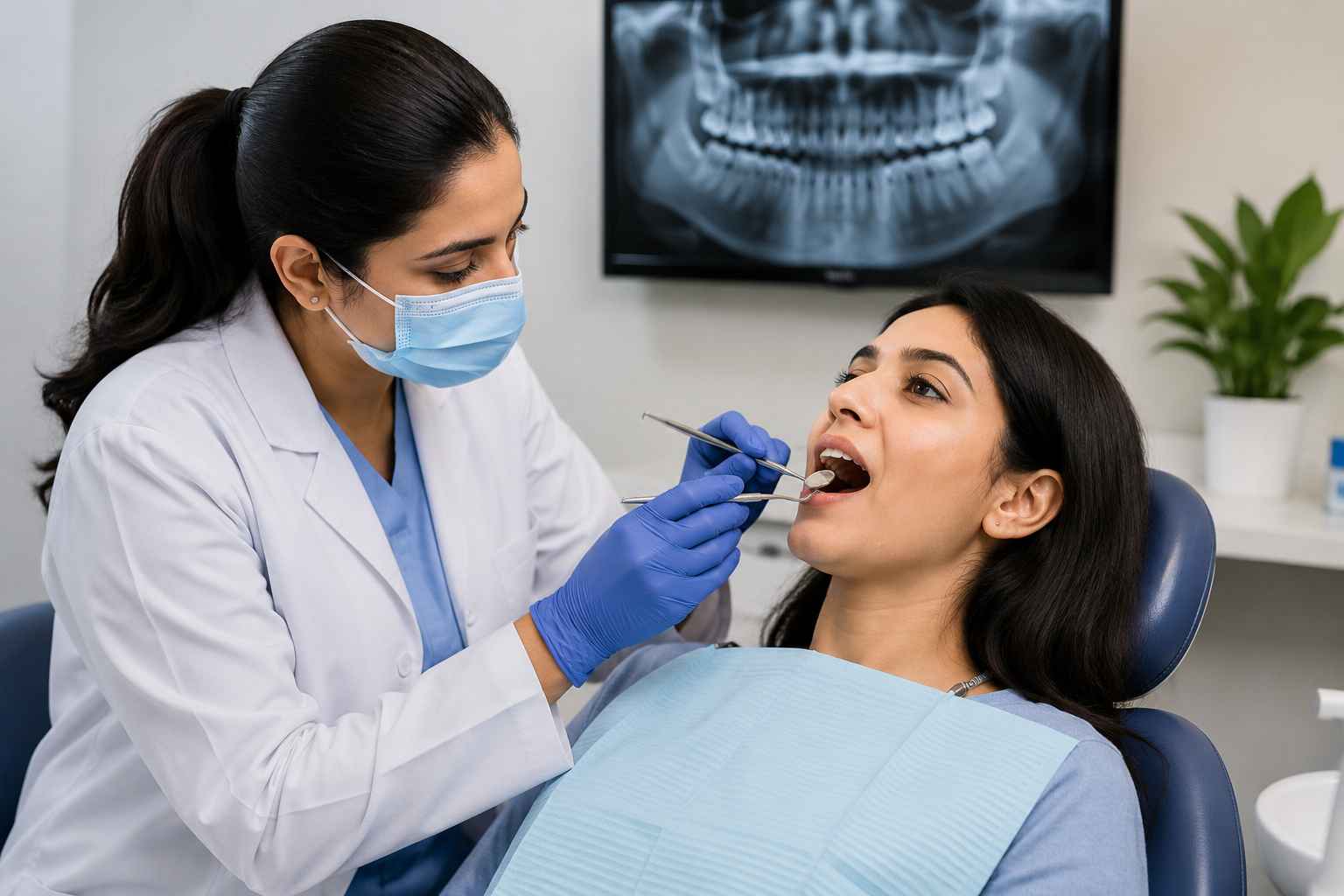
A dental diagnosis usually follows a systematic process. Your dentist may use several of the following steps.
1. Discussing Your Symptoms and Dental History
The first step is usually a conversation about your symptoms. Your dentist may ask:
- When did the pain begin?
- Is the pain constant or occasional?
- Is it sharp, throbbing, or dull?
- Does chewing make it worse?
- Are hot or cold foods triggering the pain?
- Have you noticed swelling or a bad taste?
- Have you recently injured the tooth?
- Have you had previous dental treatment on the affected tooth?
Your dental history can provide important clues about the possible cause.
2. Examining the Teeth and Gums
The dentist then examines your mouth for visible signs of a problem. This may include checking for:
- Cavities and tooth decay
- Broken or cracked teeth
- Damaged fillings or crowns
- Gum redness or swelling
- Bleeding during examination
- Plaque and tartar buildup
- Receding gums
- Pus or signs of infection
- Loose teeth
This examination helps the dentist narrow down the possible causes of your symptoms.
3. Checking Tooth Sensitivity
Sometimes a dentist may perform simple tests to understand how a tooth responds to temperature or other stimuli.
These tests can help determine whether the tooth’s inner nerve tissue may be irritated or damaged. The results are considered along with your symptoms and other examination findings.
4. Dental X-Rays
When a problem cannot be fully identified through a visual examination, dental X-rays may be recommended.
An X-ray can help reveal problems that are hidden below the gum line or inside the tooth, such as:
- Deep tooth decay
- Infection around the tooth root
- Bone loss
- Problems involving an impacted tooth
- Changes around previous dental treatment
- Certain types of cracks or damage
Not every toothache requires an X-ray. Your dentist will determine whether imaging is appropriate based on your symptoms and examination.
How Are Gum Problems Diagnosed?
Gum problems can develop gradually, and some people may not notice significant symptoms in the early stages. A dental examination can help detect changes before they become more advanced.
1. Checking the Gums
Your dentist looks for signs such as redness, swelling, tenderness, bleeding, and gum recession.
Healthy gums generally fit firmly around the teeth. Changes in their appearance or condition may indicate inflammation or gum disease.
2. Measuring Gum Pockets
A dentist may use a small dental instrument to measure the space between the gums and teeth, commonly called periodontal pockets.
Deeper pockets can be associated with periodontal disease. The measurements help the dental professional assess gum health and determine whether further periodontal treatment may be necessary.
3. Assessing Bone Support
Advanced gum disease can affect the bone that supports the teeth. Dental X-rays may be used when appropriate to assess changes in the supporting bone.
This is particularly important when there are signs of significant gum disease, loose teeth, or other concerns.
What Are Common Causes of Tooth Pain?
Tooth pain can have many causes. Some common ones include:
Tooth Decay
A cavity can gradually affect deeper layers of a tooth. If decay progresses toward the nerve, pain may become more noticeable.
Dental Infection
An infection inside or around a tooth can cause persistent pain, swelling, tenderness, or sensitivity. Prompt dental assessment is important when an infection is suspected.
Gum Disease
Inflamed or infected gums may cause bleeding, swelling, bad breath, tenderness, or sensitivity. Advanced periodontal disease can also affect the tissues and bone supporting the teeth.
Cracked or Broken Teeth
A crack may cause pain while biting or sensitivity to temperature. Because some cracks are difficult to see, a professional dental examination may be needed.
Tooth Sensitivity
Worn enamel, exposed tooth roots, gum recession, or other dental conditions can contribute to sensitivity.
Wisdom Tooth Problems
Partially erupted or impacted wisdom teeth can sometimes cause pain, gum inflammation, food trapping, or infection in the surrounding area.
When Should You See a Dentist?
Not every episode of mild sensitivity is an emergency, but persistent or worsening symptoms should not be ignored.
Consider visiting a Dental clinic in Delhi if you experience:
- Toothache that continues or returns
- Swollen or bleeding gums
- Pain while chewing
- Persistent sensitivity
- A broken or cracked tooth
- Bad taste or discharge around a tooth
- Facial or jaw swelling
- A loose permanent tooth
- Difficulty opening your mouth
Severe swelling, difficulty breathing or swallowing, or rapidly worsening symptoms require urgent medical and dental attention.
Why Professional Diagnosis Matters
Searching for symptoms online can give you general information, but it cannot replace an examination by a dental professional. Several dental conditions can produce similar symptoms, while some serious problems may cause little discomfort in their early stages.
A professional diagnosis allows the dentist to understand why you are experiencing pain rather than simply treating the symptom.
At Dentem Clinic, patients can receive a structured dental assessment based on their symptoms, oral examination, and diagnostic findings. The appropriate treatment can then be discussed according to the underlying condition.
Frequently Asked Questions
Can a dentist diagnose the exact cause of tooth pain?
A dentist can usually narrow down the cause through your symptoms, clinical examination, and diagnostic tests when necessary. In some cases, additional evaluation may be required.
Does every toothache need an X-ray?
No. X-rays are recommended when they can provide useful information that cannot be obtained through a routine examination. Your dentist decides whether imaging is necessary.
How do dentists check for gum disease?
Dentists assess the appearance and condition of the gums, look for bleeding and inflammation, measure gum pockets when needed, and may use X-rays to evaluate supporting bone.
Can gum disease cause tooth pain?
Yes. Gum inflammation or advanced periodontal disease can cause gum tenderness, sensitivity, discomfort, and other symptoms. However, tooth pain can have many other causes as well.
Should I wait if my tooth pain is mild?
It is better to monitor persistent or recurring pain rather than ignore it. Early dental assessment may help identify a problem before it becomes more complicated.
Where can I get a dental examination in Delhi?
If you have ongoing tooth pain or gum concerns, consider consulting a qualified Dentist in Delhi for a professional evaluation. Dentem Clinic provides dental care based on individual patient needs.
Final Takeaway
Tooth pain and gum problems can have different causes, and accurate diagnosis is the first step toward appropriate treatment. Dentists typically combine your dental history, symptoms, oral examination, gum assessment, and diagnostic imaging when required.
If you are experiencing persistent tooth pain, bleeding gums, swelling, or sensitivity, don’t wait for the symptoms to become severe. A timely visit to a trusted Dental clinic in Delhi can help identify the problem and protect your long-term oral health.
Dentem Clinic focuses on patient-centred dental evaluation and treatment, helping patients understand their oral health concerns and make informed decisions about their dental care.