









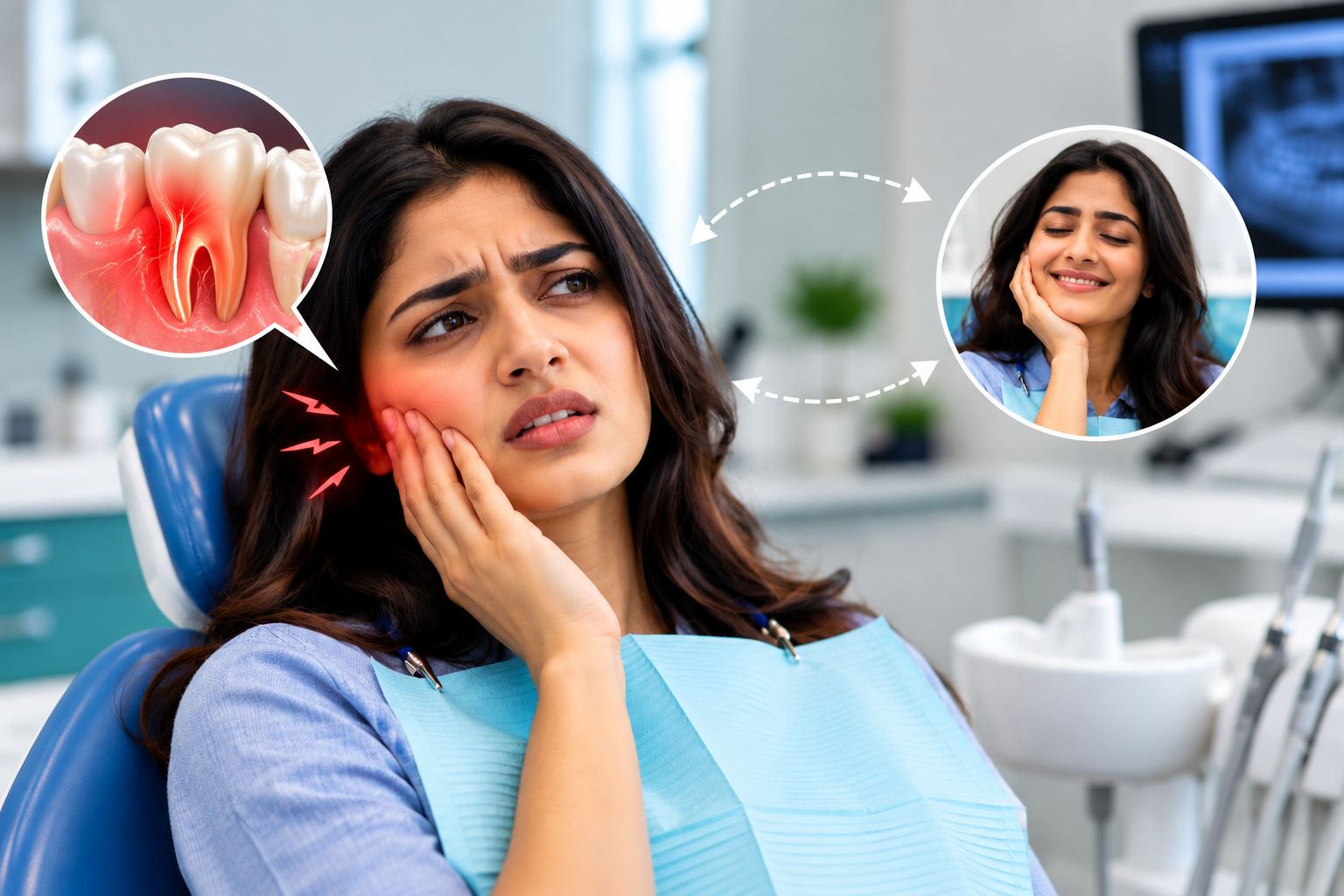
Is Tooth Pain That Comes and Goes Serious? Here’s What Dentists Look For
Tooth pain that appears for a while and then disappears can be easy to ignore. You may feel discomfort while eating something cold, experience a sharp twinge when biting, or notice a dull ache that seems to settle on its own. Because the pain is not constant, many people assume that the problem is minor.
However, tooth pain that comes and goes can sometimes indicate an underlying dental problem that needs professional attention. At Dentem Clinic, Dr. Tanvir Singh (BDS, MDS – Orthodontics) and Dr. Gunita Singh (BDS, MD – Dental Lasers) focus on identifying the possible cause of dental discomfort rather than simply treating the symptom.
If recurring tooth pain is becoming a pattern, consulting a qualified Dentist in Delhi can help determine what is happening and whether treatment is necessary.
Why Does Tooth Pain Come and Go?
Teeth can hurt intermittently for several reasons. The pattern, duration, triggers, and location of the pain can provide important clues.
Some common causes include:
1. Tooth Sensitivity
If pain occurs briefly after consuming cold, hot, sweet, or acidic foods and disappears quickly, tooth sensitivity may be involved. Receding gums, enamel wear, aggressive brushing, or exposed dentin can contribute to sensitivity.
Although occasional sensitivity may not indicate a serious condition, persistent or worsening symptoms should be evaluated.
2. Tooth Decay
A cavity can initially cause occasional discomfort, particularly when you eat or drink something sweet, hot, or cold. As decay progresses deeper into the tooth, the pain may become more frequent or intense.
Early dental examination can help identify decay before it develops into a more complicated problem.
3. A Cracked Tooth
A small crack in a tooth may cause pain that appears only when you bite down or release your bite. The discomfort may be inconsistent, which can make a cracked tooth difficult to identify without a dental examination.
A dentist may assess your bite, examine the tooth closely, and recommend imaging when appropriate.
4. Gum Problems
Inflamed or infected gums can sometimes cause tenderness around a tooth. Bleeding during brushing, swollen gums, bad breath, or gum recession may accompany the discomfort.
Untreated gum disease can affect the tissues supporting the teeth, so recurring symptoms should not be overlooked.
5. Dental Infection
Pain that becomes throbbing, persistent, or increasingly severe may indicate inflammation or infection inside or around a tooth. An infection may also cause swelling, tenderness, a bad taste, or sensitivity to pressure.
Dental infections require timely professional evaluation.
6. Teeth Grinding or Clenching
Grinding or clenching your teeth, particularly during sleep, can place excessive pressure on the teeth and jaw. This may cause intermittent tooth soreness, sensitivity, headaches, or jaw discomfort.
A dentist can assess signs of excessive wear and determine whether further evaluation or protective treatment may be appropriate.
Does Pain Going Away Mean the Problem Is Gone?
Not necessarily.
One of the most important things dentists look for is the pattern of symptoms rather than simply whether the tooth hurts at the moment of examination.
For example, pain that disappears after a trigger is removed can have a different significance from pain that lingers for minutes or occurs spontaneously.
In some situations, symptoms can temporarily decrease even though the underlying dental problem remains. This is why repeatedly waiting for tooth pain to disappear may allow a condition to progress unnoticed.
What Does a Dentist Look For?
When you visit a Dental clinic in Delhi for intermittent tooth pain, your dentist may consider several factors.
Location of the Pain
You may feel pain in one tooth, but identifying the exact source can sometimes be challenging. Dentists assess the affected area and surrounding teeth to determine where the problem originates.
What Triggers the Pain?
Your dentist may ask whether the pain occurs after:
- Eating or drinking something cold
- Consuming hot foods or beverages
- Eating sweets
- Biting or chewing
- Lying down
- Brushing
- Touching a particular tooth
These details can help narrow down possible causes.
How Long Does the Pain Last?
The duration of discomfort can provide useful information. Brief sensitivity and pain that lingers after a trigger may point toward different underlying issues.
Is There Swelling or Tenderness?
Your dentist may examine the gums and surrounding tissues for swelling, redness, tenderness, or other signs that could indicate inflammation or infection.
Are There Visible Changes?
Chips, cracks, cavities, worn enamel, gum recession, or changes in existing dental restorations can sometimes explain recurring pain.
Is Imaging Necessary?
Depending on the examination, your dentist may recommend dental X-rays or other diagnostic imaging. These can help identify problems that are not visible during a routine visual examination.
When Should You See a Dentist for Intermittent Tooth Pain?
It is worth scheduling a dental examination if your tooth pain:
- Keeps returning
- Becomes more intense or frequent
- Lasts longer than it previously did
- Occurs without an obvious trigger
- Hurts when you bite or chew
- Is accompanied by sensitivity
- Occurs with swollen or bleeding gums
- Is associated with bad taste or bad breath
- Follows a dental injury
You should seek prompt dental care if tooth pain is accompanied by significant facial swelling, fever, difficulty swallowing, or difficulty breathing.
What Happens If You Ignore Recurring Tooth Pain?
The consequences depend on the underlying cause. A small cavity may become larger, a cracked tooth may worsen, or an untreated infection may spread to surrounding tissues.
Not every episode of tooth pain means that extensive treatment is required. The important point is that recurring pain deserves a proper diagnosis.
Early evaluation can give your dentist an opportunity to identify the cause and discuss appropriate treatment before the problem becomes more complicated.
How Dentem Clinic Can Help
At Dentem Clinic, dental care begins with understanding the patient’s symptoms and identifying the underlying cause. Dr. Tanvir Singh, BDS, MDS – Orthodontics, and Dr. Gunita Singh, BDS, MD – Dental Lasers, provide dental care with an emphasis on diagnosis and personalized treatment planning.
Whether your tooth pain is sharp, dull, triggered by food, or simply appears and disappears without warning, a professional dental examination can help you understand what is causing it.
Frequently Asked Questions
Is tooth pain that comes and goes normal?
Occasional sensitivity can have relatively simple causes, but recurring tooth pain should not automatically be considered normal. A dental examination can help identify the reason.
Can a cavity cause pain that comes and goes?
Yes. Tooth decay can cause intermittent sensitivity or pain, particularly when exposed to hot, cold, sweet, or acidic foods and drinks.
Should I see a dentist if my tooth stops hurting?
Yes, especially if the pain has occurred repeatedly. The disappearance of symptoms does not necessarily mean that the underlying problem has resolved.
How can I know if tooth pain is serious?
The severity and pattern of pain alone cannot reliably determine the cause. Persistent or recurring pain, swelling, fever, pain while biting, or increasing sensitivity should be professionally evaluated.
Can tooth sensitivity go away on its own?
Mild sensitivity may sometimes improve when the triggering factor is addressed. However, persistent or worsening sensitivity should be assessed by a dentist to rule out decay, cracks, gum recession, or other dental concerns.
Final Thoughts
Tooth pain that comes and goes may seem harmless, but the pattern can be an important clue about your oral health. Rather than repeatedly waiting for the discomfort to disappear, consider getting the tooth examined-particularly when the pain keeps returning or is becoming more noticeable.
If you are experiencing recurring tooth pain, visiting a trusted Dentist in Delhi can help you understand the cause and explore suitable treatment options. At Dentem Clinic, professional evaluation can help turn an uncertain symptom into a clear dental care plan.