









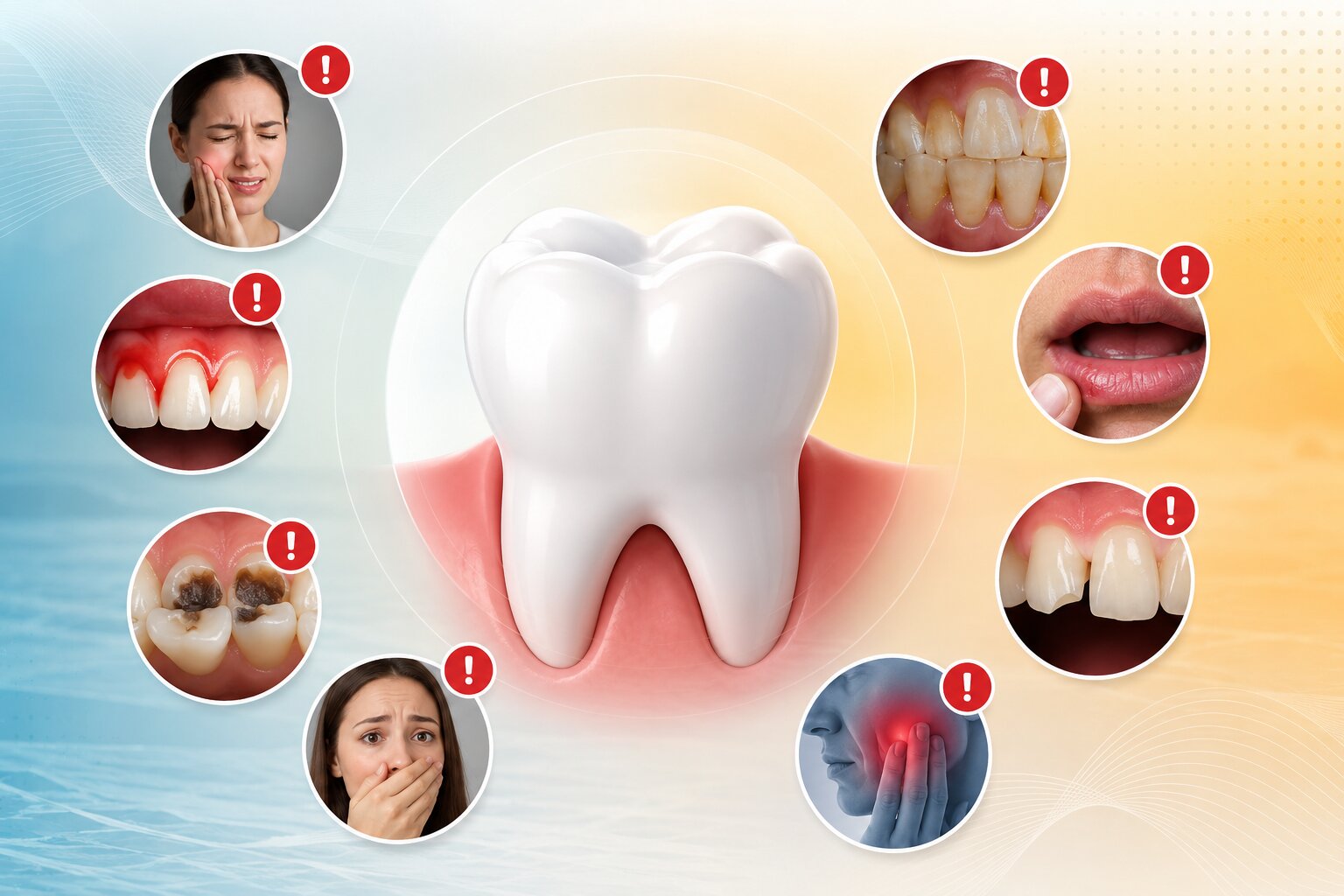
9 Warning Signs You Should Never Ignore About Your Teeth
Your teeth and gums often give early signs when something is wrong. While a small toothache or slight bleeding may seem harmless, ignoring these symptoms can lead to bigger dental problems over time. Many oral health issues develop slowly, and by the time the pain becomes severe, treatment may be more complicated and costly.
The good news is that most dental problems can be treated quickly when they are detected early. Visiting a trusted Dental Clinic in Delhi for regular checkups helps prevent minor concerns from turning into major ones.
At Dentem Clinic, we believe that awareness is the first step toward maintaining a healthy smile. Here are nine warning signs you should never ignore.
1. Persistent Tooth Pain
A toothache that lasts for more than a day or two is never normal. Pain can indicate tooth decay, an infection, a cracked tooth, or damage to the tooth’s inner tissues.
If the pain becomes stronger while eating, drinking hot or cold beverages, or biting down, it is time to schedule a dental examination. Early treatment can often save the tooth and prevent further complications.
2. Bleeding Gums
Many people notice a little blood while brushing or flossing and assume it is normal. It isn’t.
Healthy gums should not bleed regularly. Bleeding may be an early sign of gum disease, which can worsen if left untreated. Over time, gum disease may lead to swollen gums, loose teeth, and even tooth loss.
A professional cleaning and proper oral care guidance can usually stop the problem before it becomes serious.
3. Bad Breath That Doesn’t Go Away
Everyone experiences bad breath occasionally, especially after eating certain foods. However, persistent bad breath could be a sign of plaque buildup, gum disease, tooth decay, or an infection.
If brushing, flossing, and mouthwash do not improve your breath, a dental checkup is recommended to identify the underlying cause.
4. Tooth Sensitivity
Do you feel a sharp pain when drinking cold water or enjoying hot coffee?
Occasional sensitivity may not be serious, but frequent discomfort can indicate worn enamel, cavities, cracked teeth, or exposed tooth roots.
A dentist can identify the exact cause and recommend the right treatment before the condition worsens.
5. Loose Teeth
Adult teeth should never become loose.
If you notice movement in a tooth, even if it is slight, it may be caused by advanced gum disease, injury, or bone loss around the teeth.
Prompt treatment can help preserve your natural teeth and prevent additional damage.
Read More:- Dentist in Delhi
6. Swollen or Red Gums
Healthy gums should appear firm and pink.
Swollen, tender, or red gums often signal inflammation or infection. If ignored, the infection can spread deeper into the gums and supporting bone.
Early dental care can help restore gum health and prevent long-term problems.
7. Mouth Sores That Don’t Heal
Small mouth ulcers are common and usually heal within two weeks.
However, any sore, lump, or white or red patch that remains longer than two weeks should be examined by a dentist. While many mouth sores are harmless, persistent changes should never be ignored.
Regular oral examinations help detect potential concerns early.
8. Difficulty Chewing or Jaw Pain
Pain while chewing or opening your mouth may be caused by a damaged tooth, teeth grinding, jaw joint problems, or an infection.
Ignoring jaw discomfort can affect eating, speaking, and overall comfort. A dental examination can determine the cause and recommend appropriate treatment.
9. Cracked, Chipped, or Broken Teeth
Even a small crack can allow bacteria to enter the tooth, increasing the risk of infection.
Many people delay treatment because there is little or no pain. However, untreated cracks often become larger and may eventually require more extensive treatment.
Seeking dental care early improves the chances of saving the tooth.
Why Early Dental Care Matters
Many dental problems begin with mild symptoms that are easy to overlook. Regular dental visits allow dentists to detect issues before they become painful or expensive to treat.
Routine checkups can help:
- Detect cavities early.
- Prevent gum disease.
- Protect natural teeth.
- Maintain fresh breath.
- Improve overall oral health.
- Reduce the need for complex dental procedures.
Prevention is always simpler and more affordable than treating advanced dental problems.
Why Choose Dentem Clinic?
Choosing the right dental clinic plays an important role in maintaining your oral health. If you are looking for the Best Dental Clinic in Delhi, Dentem Clinic is committed to providing patient-focused care with modern technology and experienced dental professionals.
At Dentem Clinic, every treatment plan is designed according to the patient’s individual needs. Whether you need preventive care, restorative treatments, cosmetic dentistry, or routine checkups, our team focuses on delivering comfortable and high-quality dental care.
Tips to Keep Your Teeth Healthy
Good oral health starts with simple daily habits:
- Brush your teeth twice a day using fluoride toothpaste.
- Floss daily to clean between teeth.
- Limit sugary foods and drinks.
- Drink plenty of water.
- Avoid tobacco products.
- Visit your dentist every six months for regular checkups.
Conclusion
Your mouth often gives early warning signs before serious dental problems develop. Tooth pain, bleeding gums, bad breath, sensitivity, loose teeth, swollen gums, mouth sores, jaw pain, and cracked teeth should never be ignored.
Seeking professional care at the right time can protect your smile, reduce treatment costs, and improve your overall health. If you notice any of these warning signs, schedule a consultation with Dentem Clinic, a trusted Dental Clinic in Delhi, and take the first step toward a healthier smile.
Frequently Asked Questions (FAQs)
1. How often should I visit a dentist?
Most people should visit a dentist every six months for routine checkups and professional cleaning. Your dentist may recommend more frequent visits depending on your oral health.
2. Is bleeding while brushing normal?
No. Healthy gums should not bleed regularly. Persistent bleeding may indicate gum disease and should be evaluated by a dentist.
3. Can a small cavity heal on its own?
No. Once a cavity forms, it requires professional treatment. Early treatment is usually simple and helps prevent further damage.
4. What causes tooth sensitivity?
Tooth sensitivity can result from worn enamel, cavities, gum recession, cracked teeth, or teeth grinding. A dental examination can identify the exact cause.
5. Why is regular dental care important?
Regular dental visits help detect problems early, maintain healthy teeth and gums, prevent costly treatments, and support overall well-being.