









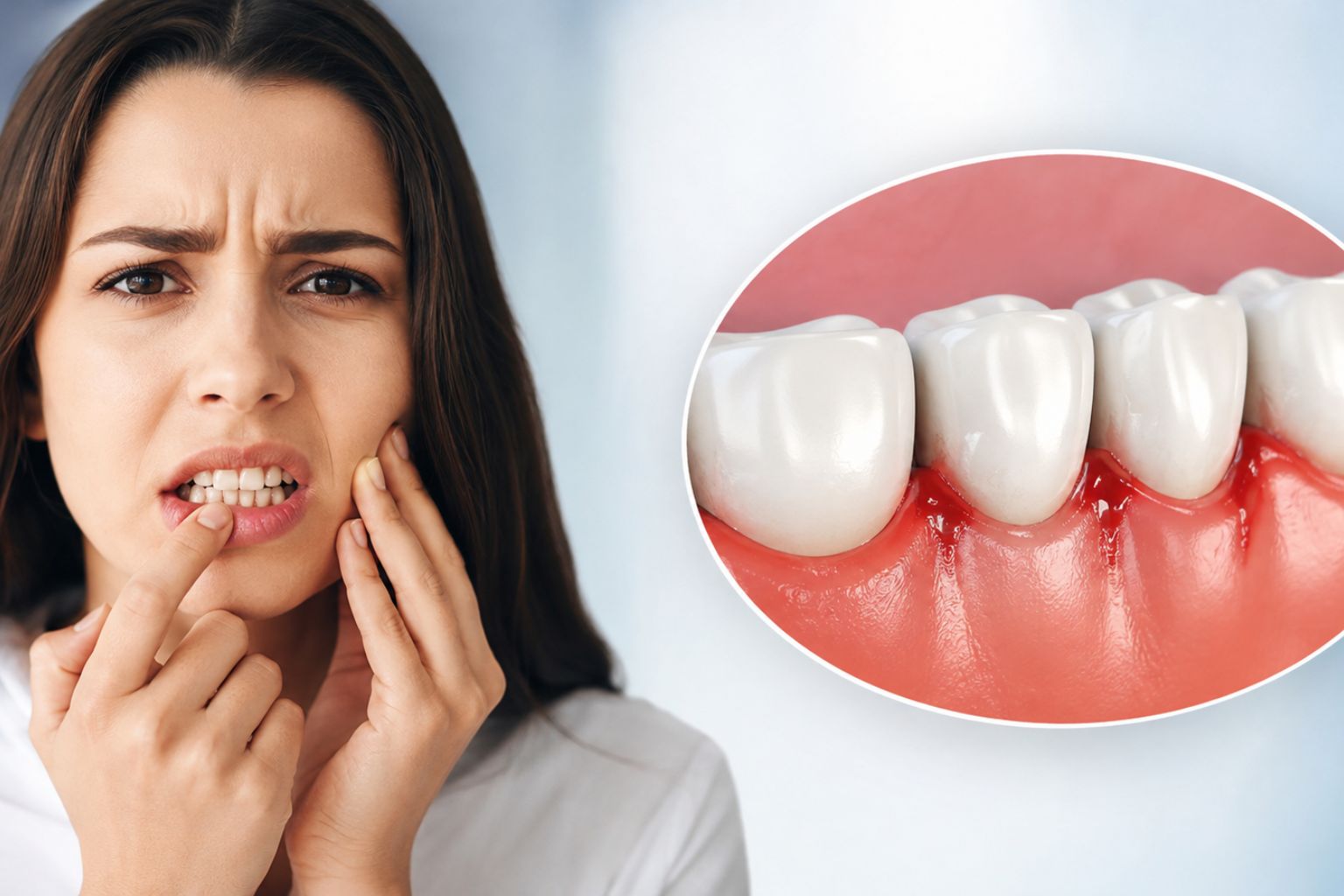
Bleeding Gums: Is It Normal or a Sign of Gum Disease?
Have you ever noticed a little blood while brushing or flossing your teeth? Many people ignore bleeding gums, assuming it is caused by brushing too hard. While occasional minor irritation can happen, repeated bleeding from the gums is not something you should ignore.
Bleeding gums can be an early warning sign of gum inflammation or periodontal disease. In some cases, it may also be related to poor oral hygiene, plaque buildup, nutritional deficiencies, certain medications, or other health conditions.
Understanding why your gums bleed and knowing when to see a dental professional can help prevent more serious oral health problems.
Is Bleeding From the Gums Normal?
No. Healthy gums generally should not bleed regularly during brushing or flossing.
If your gums bleed once after brushing particularly hard or after using floss for the first time in a while, it may be due to temporary irritation. However, frequent or unexplained gum bleeding deserves professional attention.
Common signs that may occur along with bleeding gums include:
- Red or swollen gums
- Tenderness around the teeth
- Persistent bad breath
- Gums that feel sensitive
- Gum recession
- Pain while chewing
- Loose or shifting teeth
- Pus around the gums
If you regularly experience these symptoms, it is advisable to schedule a dental examination.
What Causes Bleeding Gums?
1. Plaque and Tartar Buildup
One of the most common causes of bleeding gums is plaque. Plaque is a sticky layer of bacteria that forms on teeth. When it is not removed properly through brushing and flossing, it can irritate the gums.
Over time, plaque can harden into tartar, which cannot be effectively removed with regular brushing at home. Professional dental cleaning may be needed to remove it.
2. Gingivitis
Gingivitis is an early form of gum disease caused primarily by plaque buildup.
The gums may become:
- Red
- Swollen
- Tender
- More likely to bleed during brushing or flossing
The good news is that gingivitis can often be managed effectively when identified early through professional dental care and improved oral hygiene.
3. Periodontitis
If gum inflammation is left untreated, it can progress to periodontitis, a more advanced form of gum disease.
Periodontitis can affect the tissues and bone supporting the teeth. Without appropriate treatment, it may contribute to gum recession, loose teeth, and eventually tooth loss.
This is why persistent bleeding gums should not be treated as a minor issue.
4. Brushing Too Hard
Using excessive force while brushing can irritate your gums. A hard-bristled toothbrush may also contribute to gum irritation and, over time, gum recession.
Use a soft-bristled toothbrush and gentle, controlled movements rather than scrubbing your teeth aggressively.
5. Flossing Problems
If you have recently started flossing, your gums may feel slightly irritated, particularly if you are not used to it. However, regular and gentle flossing is important for removing plaque from areas that a toothbrush cannot reach.
If bleeding continues despite maintaining good oral hygiene, consult a dentist.
6. Hormonal Changes
Hormonal changes during periods such as pregnancy can make the gums more sensitive and prone to inflammation. This condition is sometimes referred to as pregnancy gingivitis.
Maintaining regular dental check-ups and good oral hygiene can help manage these changes.
7. Certain Medicines or Health Conditions
Some medications and medical conditions can affect gum health or increase the tendency to bleed. If your gums started bleeding after beginning a new medication or if the bleeding is persistent, discuss it with your dentist and healthcare professional.
When Should You See a Dentist for Bleeding Gums?
You should consider a dental appointment if your gums:
- Bleed frequently
- Remain swollen or red
- Are painful or tender
- Have started pulling away from your teeth
- Cause persistent bad breath
- Are accompanied by loose teeth
- Continue bleeding despite improving your oral hygiene
Early evaluation can help identify the cause and prevent a minor gum problem from becoming more complicated.
How Is Gum Disease Diagnosed?
During a dental examination, the dentist may check your gums for signs of inflammation, plaque, tartar, recession, and periodontal pockets.
Depending on your symptoms and oral health, dental X-rays or other examinations may also be recommended to assess the supporting structures around your teeth.
The treatment depends on the underlying cause and severity of the condition.
How Can You Prevent Bleeding Gums?
Taking care of your gums does not have to be complicated. A consistent oral hygiene routine can make a significant difference.
Brush Twice a Day
Brush your teeth twice daily using a soft-bristled toothbrush and fluoride toothpaste. Spend around two minutes brushing and make sure you clean all surfaces of your teeth.
Clean Between Your Teeth
Floss or use an appropriate interdental cleaning method once a day to remove plaque from between your teeth.
Schedule Regular Dental Check-Ups
Professional dental examinations can help identify gum problems before they become advanced. Your dentist can also recommend professional cleaning when plaque or tartar has accumulated.
Also Read:- How Monsoon Weather Affects Your Teeth and Gums
Avoid Tobacco
Smoking and tobacco use can negatively affect gum health and may increase the risk of periodontal problems. Avoiding tobacco is an important part of maintaining healthy teeth and gums.
Maintain a Balanced Diet
A nutritious diet supports overall health, including your oral health. Include a variety of fruits, vegetables, whole grains, and other nutrient-rich foods in your daily diet.
Can Bleeding Gums Be Treated?
Yes, treatment depends on what is causing the bleeding.
For mild gum inflammation, improving brushing and interdental cleaning along with professional cleaning may be sufficient. More advanced gum disease may require additional periodontal treatment.
The most important step is to identify the cause rather than simply trying to stop the bleeding.
Why Choose Deentem Clinic for Your Dental Care?
Choosing the right dental professional is important when you have persistent gum bleeding or other oral health concerns.
At Deentem Clinic, patients can receive comprehensive dental evaluation and treatment based on their individual oral health needs. The clinical team includes experienced dental professionals such as Dr. Tanvir Singh, BDS, MDS – Orthodontics, and Dr. Gunita Singh, BDS, MD – Dental Lasers.
Patients looking for a Dentist in Delhi can seek professional evaluation when symptoms such as bleeding gums, gum swelling, bad breath, or tooth sensitivity persist.
For people searching for a Trusted Dentist in Delhi, choosing a dental team that focuses on proper diagnosis, personalized treatment, preventive care, and patient education can help support long-term oral health.
A reliable Dental Clinic in Delhi should not only address immediate dental symptoms but also help patients understand how to prevent recurring problems.
Frequently Asked Questions
1. Is it normal for gums to bleed while brushing?
Occasional bleeding can occur because of irritation or changes in your oral hygiene routine, but regular gum bleeding is not considered normal. Persistent bleeding should be evaluated by a dentist.
2. Can bleeding gums be a sign of gum disease?
Yes. Bleeding gums can be an early sign of gingivitis and may indicate gum inflammation caused by plaque buildup. If untreated, gum disease can become more advanced.
3. Should I stop brushing if my gums are bleeding?
No. Stopping brushing can allow more plaque to accumulate. Instead, use a soft-bristled toothbrush and brush gently. If bleeding continues, consult a dental professional.
4. Can gum disease cause bad breath?
Yes. Gum inflammation and bacterial buildup can contribute to persistent bad breath. Treating the underlying oral health problem may help improve the condition.
5. How can I keep my gums healthy?
Brush twice daily, clean between your teeth every day, avoid tobacco, maintain a balanced diet, and schedule regular dental check-ups.
Final Takeaway
Bleeding gums should not be routinely ignored. While occasional bleeding may result from irritation, frequent bleeding can be an early indication of gingivitis or another oral health problem.
The sooner the underlying cause is identified, the easier it may be to manage the condition and protect your teeth and gums. If you are experiencing persistent bleeding, swelling, tenderness, bad breath, or other gum-related symptoms, consider scheduling an evaluation with a qualified dental professional.
For patients seeking a Dentist in Delhi, a Dental Clinic in Delhi, Deentem Clinic provides professional dental care with a focus on individual patient needs and long-term oral health.