









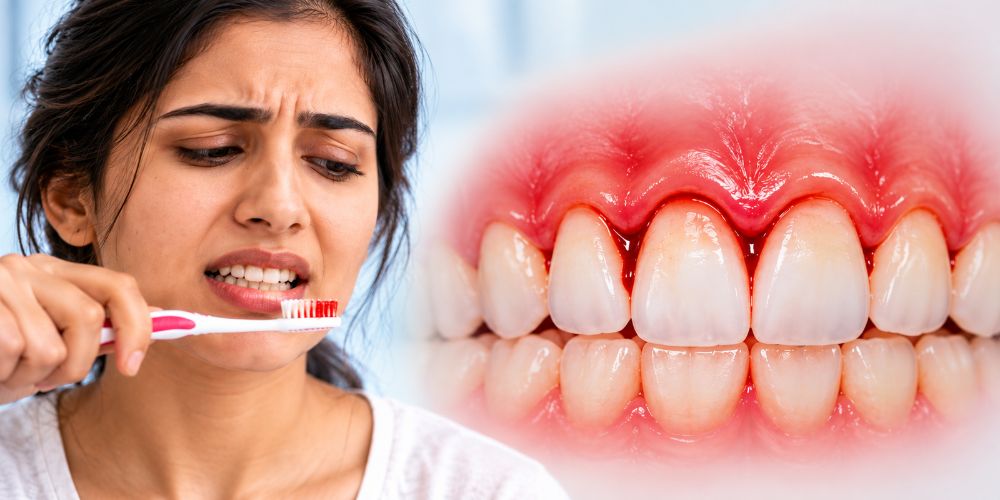
Bleeding Gums While Brushing: Causes, Symptoms, and Treatment
Have you ever noticed blood in the sink while brushing your teeth in the morning? It may seem like a minor problem, especially when there is no pain. However, bleeding gums are not something you should ignore.
Bleeding while brushing can occur because of plaque buildup, gum inflammation, brushing too hard, or other underlying health factors. In many cases, it is an early sign of gingivitis, the initial stage of gum disease. Without proper care, gum problems can progress and eventually affect the tissues and bone that support your teeth.
The good news is that early gum inflammation can often be managed with proper oral hygiene and professional dental care.
At Dentem Clinic, understanding common dental concerns is an important step towards making informed decisions about oral health. If you experience persistent bleeding, swelling, tenderness, or bad breath, consulting a qualified dental professional can help identify the cause and determine the appropriate treatment.
In this guide, we explain the common causes of bleeding gums, symptoms to watch for, available treatment options, and practical steps you can take to maintain healthier gums.
What Does It Mean When Your Gums Bleed While Brushing?
Healthy gums generally do not bleed during routine brushing or flossing. When bleeding occurs repeatedly, it may indicate irritation or inflammation of the gum tissue.
One of the most common causes is plaque, a sticky film of bacteria that accumulates on teeth. If plaque is not removed regularly, it can irritate the gums. Over time, it may harden into tartar, which cannot be removed effectively with an ordinary toothbrush.
This can lead to gingivitis, characterised by red, swollen, tender, or bleeding gums.
Occasional bleeding can also occur when you brush too aggressively or begin flossing after a long break. However, repeated bleeding should not automatically be attributed to brushing technique alone.
According to the NHS and the American Dental Association, bleeding gums can be a sign of gum disease and should be assessed when the problem persists.
7 Common Causes of Bleeding Gums While Brushing
Understanding the possible causes of bleeding gums can help you recognise when it is time to seek professional advice.
1. Plaque Buildup Along the Gumline
Plaque is one of the leading causes of gum inflammation. It forms naturally on teeth throughout the day and contains bacteria that can irritate the surrounding gum tissue.
When brushing and cleaning between the teeth are inconsistent, plaque can accumulate around the gumline and between teeth. The gums may become red, swollen, and sensitive, making them more likely to bleed.
What can help?
Brush twice daily with fluoride toothpaste and clean between your teeth every day using dental floss or appropriately sized interdental brushes. If plaque has hardened into tartar, professional dental cleaning may be necessary.
2. Gingivitis: Early Gum Disease
Gingivitis is an early form of gum disease caused primarily by plaque accumulation. It can develop gradually, and many people do not experience significant pain in the beginning.
Common symptoms include:
- Bleeding during brushing or flossing
- Red or swollen gums
- Tenderness around the gumline
- Persistent bad breath
- A bad taste in the mouth
The encouraging part is that gingivitis is often reversible with effective plaque control and professional care when needed.
Ignoring the symptoms, however, can allow gum disease to progress.
3. Brushing Too Hard
Brushing harder does not necessarily make your teeth cleaner. Applying excessive pressure or using a hard-bristled toothbrush can irritate your gums and contribute to bleeding.
Some people brush aggressively because they believe it removes more plaque. In reality, proper technique is more important than force.
What should you do?
- Use a soft-bristled toothbrush.
- Brush gently using small, controlled movements.
- Clean the gumline without scrubbing aggressively.
- Replace your toothbrush when the bristles become worn.
If bleeding continues despite improving your brushing technique, consult a dentist to check for gum inflammation or another underlying cause.
4. Inconsistent Flossing or Interdental Cleaning
Cleaning between your teeth helps remove plaque from areas that a toothbrush cannot reach effectively.
If you have recently started flossing, your gums may bleed temporarily, particularly if they are already inflamed or the technique is too forceful. This should not be assumed to be the cause of ongoing bleeding.
Use gentle movements and avoid snapping floss into the gums. If you are unsure which interdental cleaning method is suitable for you, ask your dentist for guidance.
5. Hormonal Changes During Pregnancy
Hormonal changes during pregnancy can make the gums more sensitive to plaque, increasing the likelihood of inflammation and bleeding. This condition is commonly known as pregnancy gingivitis.
Symptoms may include swollen gums, tenderness, redness, and bleeding during brushing.
Maintaining good oral hygiene and attending appropriate dental appointments can help manage these changes. Pregnant individuals should inform their dentist about their pregnancy so that care can be planned appropriately.
6. Smoking, Tobacco Use, and Certain Health Conditions
Smoking and tobacco use can negatively affect gum health and may mask signs of inflammation.
Certain health conditions, including diabetes, can also increase the risk of gum disease or make it more difficult to control. In some cases, nutritional deficiencies or conditions affecting blood clotting may contribute to bleeding.
If you experience frequent or unexplained bleeding, do not assume that the problem is limited to your teeth and gums. A healthcare professional may need to assess other possible causes.
7. Certain Medications
Some medications, including anticoagulants and other blood-thinning medicines, can increase bleeding or make it last longer.
If your gums begin bleeding after starting a medication, contact your dentist or prescribing doctor for advice. Do not stop or change prescribed medication on your own.
A dental examination can help determine whether gum inflammation is also contributing to the problem.
Symptoms of Bleeding Gums You Should Not Ignore
Bleeding gums may occur alongside other symptoms that indicate a need for dental assessment.
Watch for the following warning signs:
| Symptom | What it may indicate |
| Red, swollen gums | Gum inflammation or gingivitis |
| Bleeding during brushing | Gum irritation, plaque buildup, or gum disease |
| Persistent bad breath | Plaque accumulation or gum problems |
| Gums pulling away from teeth | Possible periodontal disease |
| Loose teeth or changes in tooth position | Possible damage to supporting tissues |
| Pain while chewing | Advanced gum problems or another dental condition |
| Persistent or unexplained bleeding | A dental issue or a possible underlying medical cause |
These symptoms do not establish a diagnosis on their own. A dental professional can examine your gums and determine whether further investigation is needed.
Seek prompt dental attention if you notice loose teeth, significant swelling, severe pain, or pus around the gums. Heavy bleeding that does not stop, particularly when accompanied by weakness or other concerning symptoms, requires urgent medical assessment.
Can Bleeding Gums Lead to Serious Dental Problems?
Bleeding gums are often associated with early gum inflammation, but persistent symptoms should not be overlooked.
When gingivitis is not adequately managed, it can progress to periodontitis in some individuals. Periodontitis affects the tissues and bone that support the teeth.
As the condition advances, it may cause gum recession, deep pockets around teeth, bone loss, and loose teeth. In severe cases, teeth may eventually need to be removed.
Not everyone with gingivitis develops periodontitis. The risk depends on several factors, including oral hygiene, smoking, diabetes, individual susceptibility, and access to appropriate dental care.
Early assessment and treatment can help control gum inflammation and reduce the risk of further damage.
Bleeding Gums Treatment: What Are the Available Options?
The appropriate treatment depends on the cause and severity of the bleeding. A dentist will generally examine the gums, assess plaque and tartar accumulation, and look for signs of periodontal disease or other oral health concerns.
1. Professional Dental Cleaning
If plaque and tartar have accumulated around the teeth, a dentist may recommend professional scaling.
During this procedure, deposits are removed from the tooth surfaces and gumline using suitable dental instruments.
Professional cleaning can help reduce plaque-related inflammation. However, the frequency of cleaning should be based on individual oral health needs rather than a fixed schedule for everyone.
2. Deep Cleaning for Periodontal Disease
When gum disease has progressed and periodontal pockets have developed, scaling and root planing may be recommended.
This procedure removes plaque and tartar from below the gumline and smooths the affected root surfaces to help control inflammation.
Not everyone with bleeding gums needs deep cleaning. The decision depends on clinical findings, including pocket depth and the extent of periodontal damage.
3. Improved Brushing and Flossing Techniques
Daily oral hygiene plays an essential role in controlling plaque and preventing gum disease.
Your dentist may demonstrate how to brush effectively along the gumline and how to clean between teeth without injuring the gums.
The aim is to remove plaque consistently while avoiding excessive pressure.
4. Treatment of Underlying Health Issues
If bleeding is associated with diabetes, medication use, nutritional deficiencies, or another health condition, additional medical evaluation may be necessary.
Depending on the findings, your dentist may coordinate care with your physician.
Treating the underlying cause is important when oral hygiene measures alone do not explain or resolve the bleeding.
5. Periodontal Treatment for Advanced Gum Disease
Advanced periodontitis may require more specialised care. Treatment can include periodontal maintenance, procedures to manage deep gum pockets, or surgery in selected cases.
The exact approach depends on the severity of the disease, the condition of the supporting tissues, and the patient’s overall health.
A personalised treatment plan is more appropriate than assuming that one procedure will work for every patient.
What Should You Do at Home When Your Gums Bleed?
If you notice bleeding during brushing, taking care of your gums gently and consistently is important.
Here are practical steps to follow.
Brush Twice a Day
Brush your teeth for approximately two minutes, twice daily, using fluoride toothpaste and a soft-bristled toothbrush.
Pay attention to the gumline and clean all tooth surfaces without applying excessive pressure.
Do Not Stop Cleaning Your Teeth
Avoiding brushing altogether can allow plaque to accumulate and worsen gum inflammation.
Continue gentle brushing and daily interdental cleaning unless a dental professional advises otherwise for your specific condition.
Clean Between Your Teeth Daily
Use dental floss or appropriately sized interdental brushes to clean the spaces between your teeth.
Choose the method that suits your teeth and gums, and ask your dentist to demonstrate the correct technique if needed.
Avoid Tobacco
Smoking and other forms of tobacco use can harm gum health. Avoiding tobacco can support better oral health and improve the effectiveness of periodontal care.
Maintain a Balanced Diet
Eat a varied diet that includes vegetables, fruits, protein sources, and foods containing essential vitamins and minerals.
A balanced diet supports general health, including healthy gum tissue. However, dietary changes alone cannot remove tartar or treat established periodontal disease.
Arrange a Dental Examination
If bleeding continues, occurs frequently, or is accompanied by swelling, pain, or persistent bad breath, arrange a dental appointment.
Do not rely solely on home remedies or mouthwash to treat a problem that may require professional cleaning or further investigation.
When Should You Visit a Dentist in Delhi for Bleeding Gums?
It is sensible to consult a dental professional if your gums bleed repeatedly during brushing or flossing, even if the bleeding is painless.
You should arrange an assessment if you notice:
- Bleeding that continues despite gentle, consistent oral hygiene
- Redness, swelling, or tenderness around the gums
- Persistent bad breath or an unpleasant taste
- Gum recession or visible changes around the teeth
- Pain while chewing or teeth that feel loose
- Frequent or unexplained bleeding, especially if you take blood-thinning medication or have a relevant medical condition
Seek urgent dental advice for severe gum swelling, pus, intense pain, or loose teeth. If bleeding is heavy and does not stop, seek urgent medical care.
If you are searching online for a Dentist in Delhi, look for a registered dental professional who can examine your gums, explain the diagnosis, discuss suitable treatment options, and answer your questions clearly.
Choosing a dentist should involve more than online ratings or promotional claims. Consider professional registration, relevant clinical experience, hygiene and infection-control practices, transparent explanations of costs, and an individualised approach to care.
How Dentem Clinic Can Support Your Oral Health
At Dentem Clinic, patient education is an important part of understanding dental concerns and making informed decisions about oral health.
Bleeding gums may have several causes, and the right approach depends on the findings of a dental examination. Professional assessment can help identify plaque-related inflammation, determine whether periodontal treatment is needed, and establish an appropriate preventive care routine.
If you are experiencing recurring gum bleeding, consider arranging a dental consultation to discuss your symptoms and treatment options.
The goal of dental care is not simply to address bleeding when it occurs. It is also to help you maintain healthy gums, preserve your natural teeth, and understand how everyday oral hygiene contributes to long-term dental health.
Frequently Asked Questions About Bleeding Gums
1. Why do my gums bleed when I brush my teeth?
The most common cause is plaque buildup that irritates the gums and leads to inflammation. Brushing too hard, gum disease, hormonal changes, and certain medications may also contribute. Persistent bleeding should be evaluated by a dentist.
2. Are bleeding gums a sign of gingivitis?
Yes, bleeding during brushing or flossing is a common symptom of gingivitis. Other symptoms may include redness, swelling, and tenderness. A dental examination can help confirm the cause and determine the appropriate treatment.
3. Should I stop brushing if my gums are bleeding?
Generally, no. Continue brushing gently with a soft-bristled toothbrush and use an appropriate interdental cleaning method. Stopping oral hygiene can allow plaque to build up further. If bleeding persists, seek professional dental advice.
4. How can I stop my gums from bleeding naturally?
Consistent brushing, daily interdental cleaning, avoiding tobacco, and maintaining a balanced diet can support gum health. However, home care cannot remove hardened tartar, and persistent bleeding may require professional treatment.
5. Can vitamin deficiency cause bleeding gums?
Certain nutritional deficiencies, including severe vitamin C deficiency, can contribute to gum bleeding. However, plaque-related inflammation is a common cause. Do not assume a deficiency is responsible without an appropriate assessment.
6. Is professional dental cleaning necessary for bleeding gums?
Professional cleaning may be recommended when plaque or tartar has accumulated. If periodontal pockets or advanced gum disease are present, more extensive treatment may be required. The recommendation depends on the dentist’s examination.
7. When should I see a dentist in Delhi for bleeding gums?
Consult a dentist if bleeding occurs repeatedly, does not improve with gentle oral hygiene, or is accompanied by swelling, persistent bad breath, pain, or gum recession. Heavy bleeding that does not stop or severe symptoms require urgent assessment.
8. Can bleeding gums cause tooth loss?
Bleeding itself does not cause tooth loss. However, persistent bleeding may indicate gum disease, and advanced periodontitis can damage the tissues and bone supporting teeth. Early diagnosis and appropriate treatment can help reduce this risk.
Conclusion
Bleeding gums while brushing may appear to be a small concern, but repeated bleeding can be an early sign of gum inflammation or another underlying problem.
Plaque buildup, gingivitis, brushing technique, hormonal changes, certain medications, and some medical conditions can all contribute. The most effective approach is to maintain gentle, consistent oral hygiene and seek professional advice when symptoms persist.
If you notice recurring bleeding, swelling, bad breath, or changes around your teeth, do not wait for pain to develop before seeking dental advice.
Dentem Clinic encourages patients to make informed decisions about their oral health and to seek appropriate dental assessment when symptoms arise. If you are looking for a Dentist in Delhi, prioritise a qualified professional who can evaluate your symptoms and recommend care based on your individual needs.
Medical Review and Editorial Information
Medically reviewed by:
Dr. Tanvir Singh
BDS, MDS in Orthodontics
Registration: A-1430, Delhi State Dental Council, 2015
Dr. Gunita Singh
BDS, MD – Dental Lasers
Registration: A7363, Delhi State Dental Council, 2015