









Dental Implants Explained: Benefits, Types and What to Expect
Missing teeth can affect more than just your smile. They may make chewing difficult, affect speech, and reduce confidence in everyday situations. Fortunately, modern dentistry offers reliable solutions for replacing missing teeth, and Dental Implants are one of the most widely used long-term options.
At Dentem Clinic, dental implant treatment is planned according to each patient’s oral health, bone condition, lifestyle, and individual needs. Understanding how implants work, their different types, benefits, and treatment process can help you make a more informed decision about your oral health.
What Are Dental Implants?
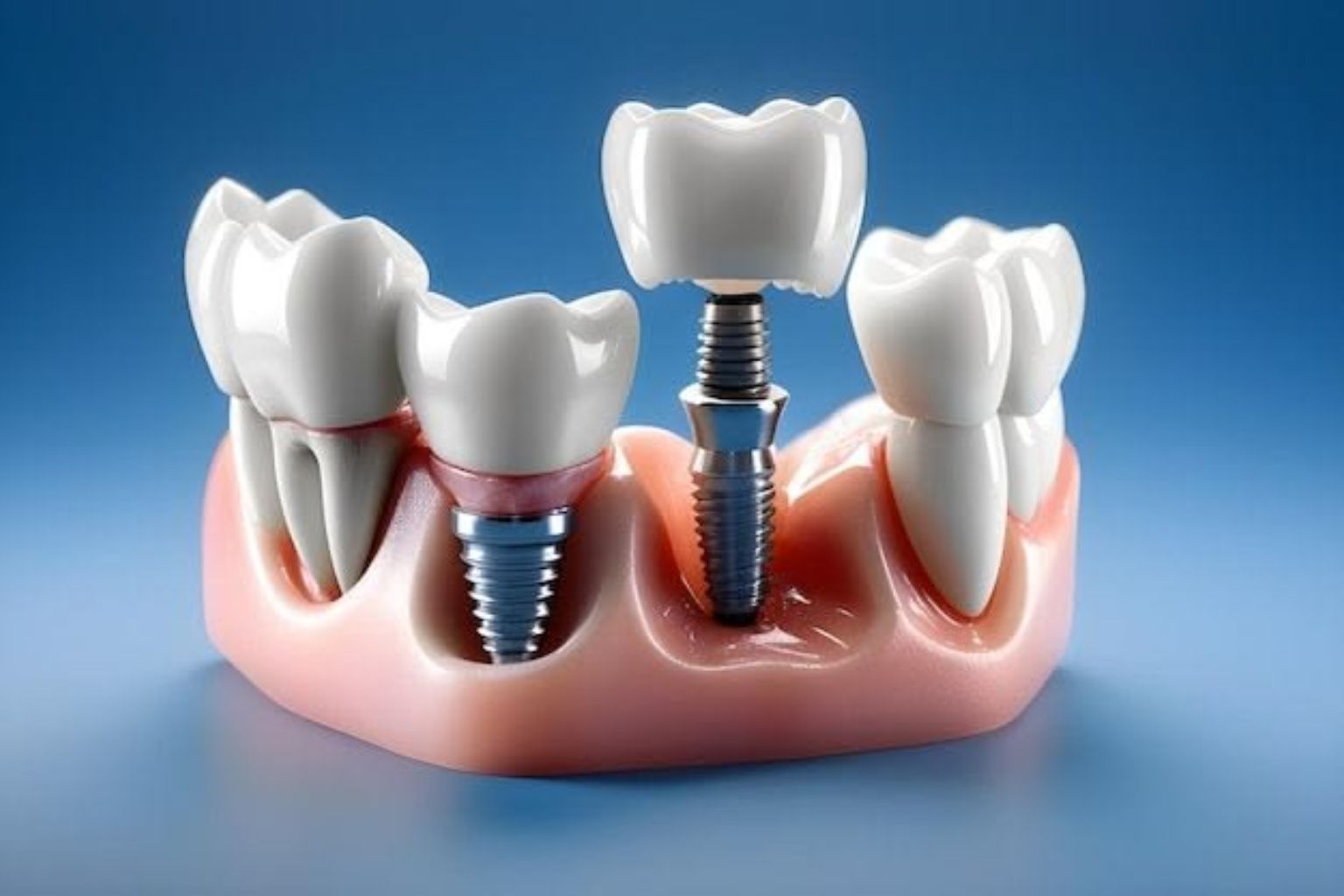
A dental implant is a small, biocompatible post that is placed into the jawbone to replace the root of a missing tooth. Once the implant integrates with the surrounding bone, it can support a dental crown, bridge, or other restoration.
Unlike removable dentures, implants are designed to provide stable support for replacement teeth. They can help restore everyday functions such as biting and chewing while providing a natural-looking appearance.
A typical dental implant consists of three main components:
- Implant: The artificial tooth root placed into the jawbone.
- Abutment: A connector that attaches the implant to the final restoration.
- Crown or restoration: The visible tooth-shaped part designed to match the surrounding teeth.
Benefits of Dental Implants
Dental Implants offer several advantages for suitable patients compared with some traditional tooth-replacement options.
1. Natural-Looking Results
Modern implant restorations can be designed to closely match the color, shape, and size of surrounding teeth. This can help create a balanced and natural-looking smile.
2. Improved Chewing Function
A stable implant-supported tooth can make it easier to bite and chew comfortably. Because the replacement tooth is securely supported, it does not rely on removable adhesives in the same way as conventional dentures.
3. Long-Term Tooth Replacement
With proper treatment planning, good oral hygiene, regular dental check-ups, and healthy gums, dental implants can provide a durable tooth-replacement solution. Their longevity varies from person to person and can be influenced by oral hygiene, smoking, gum health, and other factors.
4. Support for Jawbone Health
After a natural tooth is lost, the surrounding jawbone can gradually lose volume because it no longer receives normal stimulation from the tooth root. An appropriately placed implant can provide functional stimulation to the surrounding bone.
5. Preserves Adjacent Teeth
In some cases, a traditional dental bridge requires neighboring teeth to be prepared for support. An implant-supported replacement can potentially avoid using healthy adjacent teeth as bridge supports.
6. Greater Confidence
Replacing missing teeth with a stable restoration can make everyday activities such as eating, speaking, smiling, and socializing more comfortable.
Types of Dental Implants
The most suitable implant solution depends on the number of missing teeth, the condition of your jawbone, gum health, and your overall treatment needs.
Single Dental Implant
A single implant is commonly used to replace one missing tooth. The implant supports an individual crown and can provide a fixed replacement without involving neighboring teeth.
Multiple Dental Implants
When several teeth are missing, multiple implants may be used to support individual crowns or a larger restoration, depending on the patient’s dental condition and treatment plan.
Implant-Supported Bridge
An implant-supported bridge can replace several missing teeth while using dental implants for support. It may be an alternative to a conventional bridge in appropriate cases.
Full-Arch Implant Solutions
Patients who have lost most or all of their teeth may be considered for implant-supported full-arch solutions. The exact approach depends on bone structure, gum health, overall oral health, and treatment objectives.
Who Can Get Dental Implants?
Many adults with missing teeth may be candidates for dental implants. However, suitability must be determined through a professional dental evaluation.
Your dentist may assess:
- Overall oral health
- Gum health
- Jawbone volume and density
- Number and location of missing teeth
- Existing tooth decay or infection
- Smoking or tobacco use
- General health and healing capacity
- Oral hygiene habits
Adequate bone support is important for implant stability. If there is not enough bone, procedures such as bone grafting may sometimes be recommended before or during implant treatment.
What to Expect During Dental Implant Treatment
Many patients have questions about what happens before, during, and after implant placement. Although treatment varies from person to person, the process generally includes several stages.
Step 1: Consultation and Examination
The process begins with a detailed dental examination and medical and dental history review. Your dentist may use digital imaging or other diagnostic tests to evaluate your teeth, gums, jawbone, and bite.
At Dentem Clinic, the treatment plan is based on the patient’s specific oral health needs rather than using a one-size-fits-all approach.
Step 2: Treatment Planning
After the examination, your dentist will explain the recommended implant option, restoration choices, expected treatment stages, and aftercare instructions.
If active gum disease, infection, or other dental problems are present, these may need to be treated before implant placement.
Step 3: Implant Placement
The implant is surgically placed into the jawbone. Local anesthesia is commonly used during the procedure, while sedation options may be discussed when appropriate.
After placement, the implant needs time to heal and integrate with the surrounding bone. This process is known as osseointegration.
Step 4: Abutment and Final Restoration
Once the implant has healed sufficiently, an abutment may be attached. The final crown, bridge, or other restoration is then fitted onto the implant.
The restoration is designed to function comfortably with your bite and blend with your natural teeth.
How Long Does Dental Implant Treatment Take?
There is no fixed treatment timeline for every patient. Some straightforward cases may be completed relatively quickly, while other cases require a longer healing and treatment period.
The overall timeline may depend on:
- Bone quality and quantity
- Need for bone grafting
- Gum health
- Number of implants required
- Type of restoration
- Individual healing response
Your dentist can provide a more personalized treatment timeline after a clinical assessment.
Is Dental Implant Treatment Painful?
Dental implant placement is performed under anesthesia, so patients generally should not feel pain during the procedure itself. Some tenderness, swelling, or discomfort may occur after treatment.
These symptoms are usually managed with the medications and aftercare instructions provided by the dental team. Following your dentist’s instructions regarding food, brushing, medication, and oral hygiene can support a smoother recovery.
How to Care for Dental Implants
Dental implants require regular care, just like natural teeth. Although an implant itself cannot develop a cavity, the gums and tissues surrounding it still need to remain healthy.
Good implant care includes:
- Brushing your teeth twice a day using the correct technique
- Cleaning between your teeth with suitable interdental aids
- Attending regular dental check-ups
- Keeping plaque under control
- Avoiding tobacco products
- Reporting persistent bleeding, swelling, discomfort, or implant looseness to your dentist
Maintaining healthy gums is particularly important for the long-term success of implant treatment.
Dental Implants vs. Dentures and Bridges
Different tooth-replacement options are suitable for different patients.
Dental Implants are placed into the jawbone and are designed to provide stable support for replacement teeth.
Dentures are removable appliances that can replace several or all missing teeth. They may require adjustments and ongoing maintenance.
Traditional bridges are fixed restorations that use neighboring teeth for support.
The most appropriate choice depends on your dental condition, bone health, oral hygiene, preferences, and long-term goals. A dental consultation can help you understand the advantages and limitations of each option.
Why Professional Implant Planning Matters
Successful implant treatment involves much more than placing an implant. Proper diagnosis, implant positioning, gum health, bite assessment, restoration planning, and long-term maintenance all play important roles.
Choosing an experienced dental team can help ensure these factors are considered before treatment begins. At Dentem Clinic, patients can discuss their concerns, understand their available choices, and receive a treatment plan based on their individual dental needs.
When Should You Consider Dental Implants?
You may want to speak with a dentist about Dental Implants if you have:
- One or more missing teeth
- Difficulty chewing because of missing teeth
- Loose or uncomfortable dentures
- A damaged tooth that cannot be predictably restored
- Concerns about the appearance of a missing tooth
- An interest in a fixed tooth-replacement solution
Early evaluation can also help your dentist assess changes in the jawbone and surrounding teeth after tooth loss.
Choosing a Dental Implant in Delhi
Choosing the right dental clinic is an important part of your implant treatment journey. When searching for a Dental Implant in Delhi, consider the dentist’s experience, diagnostic facilities, treatment planning process, sterilization practices, implant system used, restoration quality, and follow-up care.
At Dentem Clinic, the focus is on personalized evaluation, clear communication, and comprehensive dental care. Instead of recommending the same treatment for every patient, the dental team assesses each case and develops an approach based on individual oral health needs.
Frequently Asked Questions About Dental Implants
How long can dental implants last?
Dental implants can provide long-term tooth replacement. Their longevity varies between patients and can be influenced by oral hygiene, gum health, tobacco use, regular dental care, and overall health.
Are dental implants better than dentures?
Neither option is universally better for every patient. Implants provide fixed support and can closely mimic natural teeth, while dentures offer a removable option and may be appropriate for patients who are not suitable for implant treatment.
Can a dental implant be placed immediately after tooth extraction?
In selected cases, an implant may be placed immediately after extraction. However, this depends on factors such as infection, bone condition, gum health, and the location of the tooth.
What if I do not have enough jawbone for an implant?
Patients with reduced bone volume may sometimes still be candidates for implant treatment after procedures such as bone grafting. Your dentist can determine the available bone through examination and appropriate imaging.
How do I choose a clinic for Dental Implants in Delhi?
Look for a dental clinic that provides detailed examination, appropriate diagnostic imaging, personalized treatment planning, experienced dental professionals, clear communication, and proper follow-up care.
Conclusion
Dental Implants can be an effective long-term solution for replacing missing teeth and restoring both function and confidence. However, successful treatment begins with a proper diagnosis, careful planning, and a personalized approach.
Whether you need to replace one missing tooth or are exploring a more comprehensive tooth-replacement solution, consulting a qualified dental professional can help you understand which option is right for you.
For patients considering a Dental Implant in Delhi, Dentem Clinic provides personalized dental evaluation and treatment planning to help patients make informed decisions about their oral health.
Book a consultation with Dentem Clinic to learn whether Dental Implants are suitable for your smile and dental needs.