









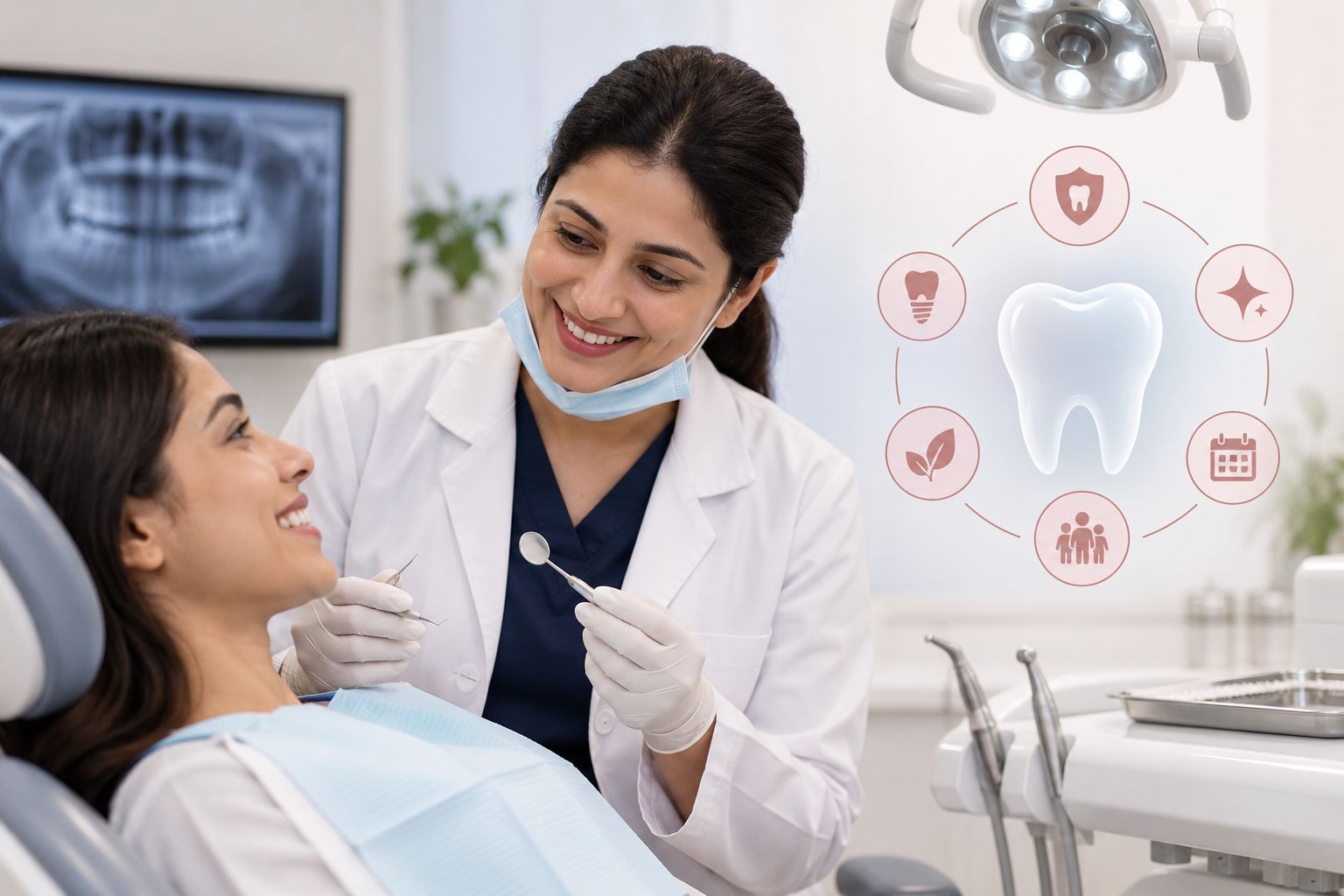
Why Is the Right Dentist Important for Your Long-Term Oral Health?
Your oral health is closely connected to your everyday comfort, confidence, and overall well-being. From preventing cavities and gum disease to treating tooth pain and restoring damaged teeth, choosing the right dentist can make a meaningful difference to your long-term dental health.
Many people visit a dentist only when they experience pain. However, regular dental care is not just about treating existing problems. A trusted dentist can help identify potential issues early, provide preventive guidance, and develop a treatment plan suited to your individual needs.
For patients searching for a Dentist in Delhi, choosing a dental clinic based on qualifications, experience, communication, treatment options, hygiene standards, and patient-focused care is an important first step.
At Dentem Clinic, the focus is on providing individualized dental care while helping patients understand their oral health and available treatment options.
What Makes the Right Dentist Important?
The right dentist is more than someone who treats a toothache. Your dentist can become an important part of your long-term oral healthcare team.
A good dentist can help you:
- Maintain healthy teeth and gums
- Detect dental problems at an early stage
- Prevent avoidable oral health problems
- Treat existing dental conditions
- Understand your treatment options
- Maintain previous dental work
- Improve chewing and oral function
- Address cosmetic concerns when appropriate
- Develop an ongoing preventive dental-care plan
Your dental needs can also change over time. A dentist who understands your dental history can provide continuity of care as those needs evolve.
1. Early Detection of Dental Problems
One of the biggest advantages of regular dental visits is the opportunity to identify problems before they become more complicated.
Cavities, gum disease, worn dental restorations, and other dental problems may not always cause noticeable symptoms in their early stages.
During a dental examination, your dentist can evaluate your teeth, gums, bite, and other aspects of your oral health. Depending on your condition, dental X-rays or other diagnostic tools may also be recommended.
Early detection does not guarantee that extensive treatment will always be avoided, but addressing problems promptly can often help prevent unnecessary progression.
2. Preventive Dental Care
A good dentist does not only focus on treatment. Prevention is an essential part of long-term oral health.
Your dentist can provide personalized advice about:
- Brushing technique
- Flossing and interdental cleaning
- Fluoride toothpaste
- Dietary habits
- Dental check-up frequency
- Gum health
- Managing tooth sensitivity
- Protecting teeth from injury
Preventive advice can be particularly valuable because oral hygiene needs vary between individuals.
3. Professional Dental Cleaning
Even with consistent brushing and flossing, plaque and hardened deposits can accumulate in areas that are difficult to clean effectively at home.
Professional dental cleaning can help remove deposits and support gum health.
Your dentist or dental hygienist can also show you areas where your daily cleaning routine may need improvement.
Regular cleaning should complement—not replace—good home oral hygiene.
4. Personalized Treatment Planning
There is rarely one treatment that is appropriate for every patient.
For example, a patient with a small cavity may need a filling, while a tooth with extensive internal infection may require root canal treatment. Someone with a missing tooth may have options such as an implant, bridge, or denture depending on their condition.
The right dentist considers factors such as:
- Your dental condition
- Oral hygiene
- Gum health
- Existing restorations
- Bite
- Dental history
- Treatment goals
- General health factors relevant to dental care
This allows treatment recommendations to be based on your individual needs rather than a one-size-fits-all approach.
5. Better Understanding of Your Dental Health
Dental terminology can sometimes be difficult to understand.
A patient-focused dentist should explain your condition in language that is clear and easy to follow.
Before starting significant treatment, you should ideally understand:
- What problem has been identified
- Why treatment may be necessary
- What options are available
- The expected benefits and limitations
- Potential risks
- The expected treatment timeline
- What aftercare may be required
Clear communication allows you to participate more confidently in decisions about your dental care.
6. Managing Tooth Pain and Dental Emergencies
Tooth pain can have many causes, including decay, infection, cracks, gum problems, or sensitivity.
Rather than relying on temporary pain relief, a dental examination can help identify the underlying cause.
Depending on the diagnosis, treatment may include a filling, root canal treatment, gum treatment, extraction, or another appropriate procedure.
If you experience severe dental pain, swelling, trauma, uncontrolled bleeding, or other urgent symptoms, seek professional dental care promptly.
7. Supporting Healthy Gums
Healthy teeth are only one part of good oral health. Your gums also require regular attention.
Gum disease can develop gradually and may initially cause few noticeable symptoms.
Warning signs can include:
- Bleeding during brushing
- Swollen or tender gums
- Persistent bad breath
- Gum recession
- Loose teeth
- Changes in the way teeth fit together
Regular dental examinations can help identify gum problems and allow appropriate treatment or preventive advice.
8. Maintaining Your Natural Teeth
One of the key goals of modern dentistry is to preserve natural teeth whenever they can be predictably and safely maintained.
Good preventive care can help identify decay, gum disease, cracks, and other problems before they become more advanced.
When treatment is required, your dentist can discuss options designed to restore or protect the affected tooth.
However, whether a tooth can be saved depends on its condition and overall prognosis.
9. Access to Different Dental Treatments
Your dental requirements may change throughout your life.
A comprehensive dental clinic may offer or coordinate different types of care, including:
- Preventive dentistry
- Restorative dentistry
- Root canal treatment
- Crowns and bridges
- Dental implants
- Orthodontic treatment
- Cosmetic dentistry
- Gum care
- Tooth extraction
- Children’s dental care
Having access to appropriate services can make it easier to receive consistent care as your needs change.
10. Long-Term Monitoring of Your Oral Health
Your mouth changes over time.
Existing fillings can wear down, gum health can change, teeth can shift, and new dental problems can develop.
Regular visits allow your dentist to monitor these changes rather than treating every issue as an isolated event.
Maintaining a dental history can also help your dentist understand previous procedures and make more informed recommendations in the future.
How Often Should You Visit a Dentist?
There is no single appointment schedule that works for everyone.
Some people may benefit from routine check-ups at regular intervals, while patients with certain oral health conditions may need more frequent monitoring.
Your dentist can recommend a schedule based on factors such as:
- History of cavities
- Gum health
- Oral hygiene
- Age
- Existing dental restorations
- Risk of dental disease
- Other relevant health factors
The important point is not to wait for severe pain before seeking dental advice.
What Should You Look for When Choosing a Dentist?
If you are searching for the right dentist, consider several factors rather than choosing a clinic based only on location or price.
Qualifications and Experience
Check that the dental professional has appropriate qualifications and relevant clinical experience.
Communication
Choose someone who listens to your concerns and explains treatment clearly.
Range of Services
Consider whether the clinic can address your current dental needs and provide appropriate care as your needs change.
Hygiene and Safety
A professional dental clinic should maintain appropriate infection-control, sterilization, cleanliness, and patient-safety standards.
Diagnostic Approach
Appropriate examinations and diagnostic tools should be used when clinically necessary.
Treatment Transparency
Your dentist should explain the proposed treatment, alternatives, expected outcomes, risks, and costs where relevant.
Patient Experience
Reviews can provide useful information about patient experiences, although they should be considered alongside qualifications and clinical factors.
Dentist in Delhi: What Should You Consider?
Delhi has many dental clinics, which can make choosing the right professional challenging.
If you are searching for a Dentist in Delhi, consider:
- Dentist qualifications
- Relevant clinical experience
- Treatment services
- Clinic hygiene
- Diagnostic facilities
- Communication
- Emergency or appointment availability
- Patient reviews
- Convenience of location
- Transparency about treatment
The closest clinic is not necessarily the right clinic for your needs. Similarly, an online rating alone should not determine your decision.
Best Dentist in Delhi: What Does “Best” Really Mean?
Patients often search for the Best Dentist in Delhi, but “best” can mean different things to different people.
For one patient, the priority may be preventive dental care. Another may need orthodontic treatment, dental implants, or root canal treatment.
Instead of focusing only on a generic “best” label, look for a dentist whose qualifications, experience, services, communication style, and treatment approach match your specific needs.
At Dentem Clinic, patients can discuss their dental concerns with the dental team and receive treatment recommendations based on their individual oral health requirements.
Questions to Ask Your Dentist
Before beginning major dental treatment, consider asking:
- What is causing my dental problem?
- Do I need treatment now?
- What treatment options are available?
- Are there alternatives?
- What are the benefits and limitations of each option?
- How long will treatment take?
- Will I need multiple appointments?
- What should I expect during recovery?
- How can I prevent the problem from returning?
- What will the treatment and follow-up involve?
A willingness to answer these questions is an important part of good patient communication.
When Should You See a Dentist Immediately?
Some dental symptoms should not be ignored.
Seek prompt professional attention if you experience:
- Severe or persistent tooth pain
- Facial or jaw swelling
- Significant dental trauma
- A knocked-out permanent tooth
- Uncontrolled oral bleeding
- Signs of a dental infection
- Difficulty swallowing or breathing associated with swelling
A dental emergency may require immediate assessment, and severe swelling affecting breathing or swallowing requires urgent medical attention.
How Can You Maintain Your Oral Health Between Dental Visits?
Your daily habits play a major role in maintaining oral health.
Brush Twice Daily
Use fluoride toothpaste and brush all tooth surfaces carefully.
Clean Between Your Teeth
Floss or use another interdental cleaning method recommended for you.
Limit Frequent Sugary Foods and Drinks
Frequent exposure to sugars can increase the risk of tooth decay.
Avoid Tobacco
Tobacco can negatively affect oral and gum health.
Protect Your Teeth
Use appropriate mouth protection during activities where dental injuries are possible.
Do Not Ignore Dental Symptoms
Pain, bleeding, swelling, sensitivity, or changes in your teeth should be evaluated rather than repeatedly managed at home.
Frequently Asked Questions
Why is choosing the right dentist important?
The right dentist can help with preventive care, early detection, diagnosis, treatment planning, and long-term monitoring of your oral health. A good dentist should also communicate clearly and tailor treatment to your individual needs.
How do I choose a good dentist?
Consider the dentist’s qualifications, relevant experience, range of services, communication style, clinic safety standards, diagnostic approach, patient feedback, and convenience.
How often should I visit a dentist?
The appropriate frequency varies from person to person. Your dentist can recommend a schedule based on your oral health, dental history, and risk factors.
Should I visit a dentist even if my teeth do not hurt?
Yes. Some dental problems may develop without noticeable pain. Regular examinations can help identify certain problems before they become more advanced.
What happens during a routine dental check-up?
A routine visit may include an examination of your teeth and gums, assessment of your oral health, professional cleaning when appropriate, and personalized preventive advice. X-rays or other diagnostic tests may be recommended when clinically necessary.
What is the difference between a regular dentist and a specialist?
A general dentist provides a broad range of dental care. A dental specialist receives additional training in a particular area, such as orthodontics, periodontics, endodontics, or oral and maxillofacial surgery. Your general dentist may refer you to a specialist when specialized care is appropriate.
Can changing my dentist improve my dental care?
If you feel your concerns are not being addressed, treatment is not being explained clearly, or you are uncomfortable with your current dental care, seeking another professional opinion can help you make an informed decision.
Is the cheapest dentist always the best option?
Not necessarily. Dental care should be evaluated based on qualifications, treatment quality, safety, communication, appropriate materials and techniques, and overall suitability-not price alone.
Final Thoughts
The right dentist can become an important partner in maintaining your oral health over the long term.
Good dental care combines prevention, early detection, accurate diagnosis, appropriate treatment, clear communication, and regular follow-up. Choosing a dentist who understands your needs can make it easier to maintain healthy teeth and gums throughout different stages of life.
If you are searching for a Dentist in Delhi or looking for the Best Dentist in Delhi, consider Dentem Clinic for professional dental evaluation and personalized care.
Rather than waiting until a dental problem becomes painful, make regular dental care part of your overall health routine. Your future smile can benefit from the decisions you make today.