









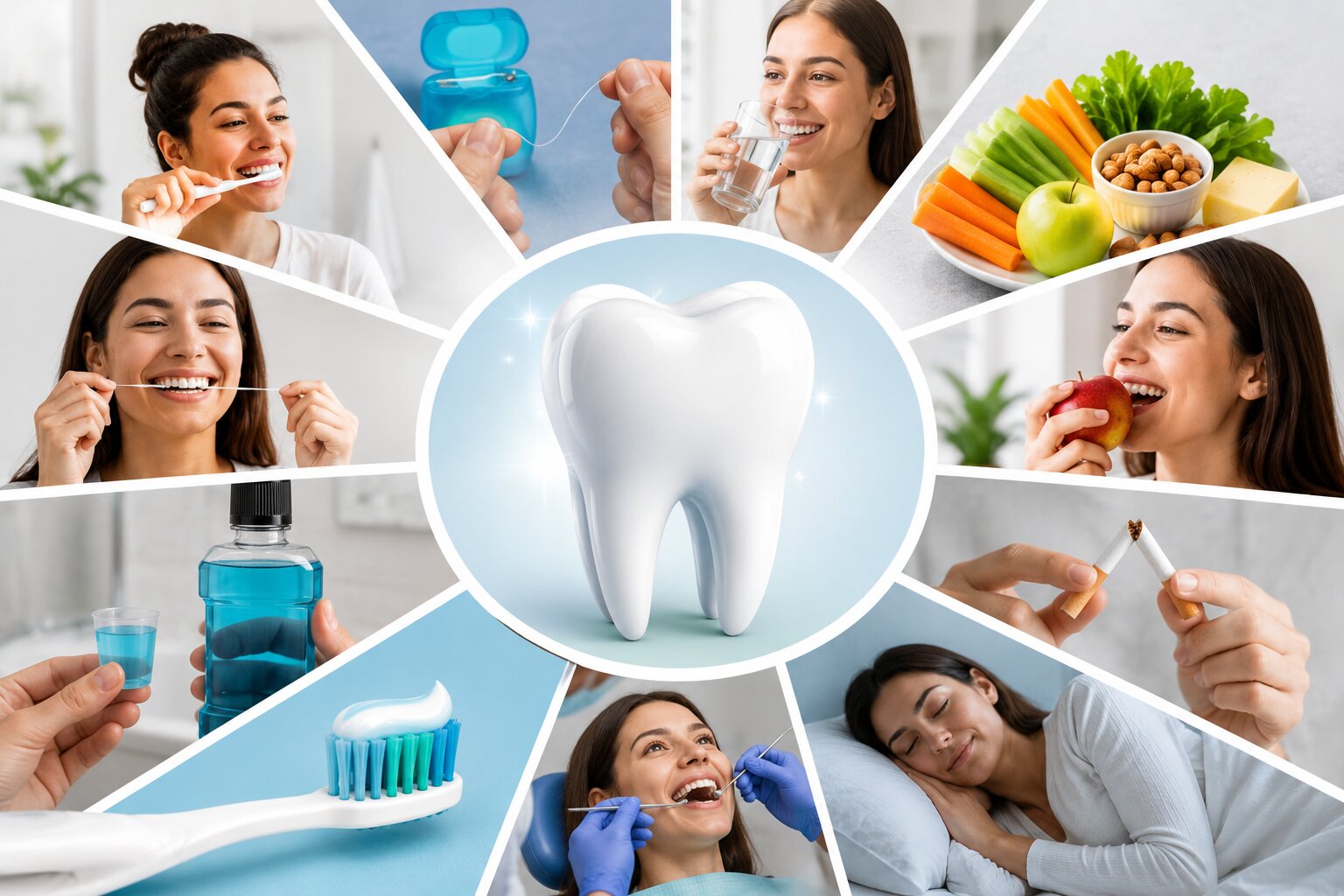
10 Daily Habits That Help Keep Your Teeth Healthy
Healthy teeth are not just about having a beautiful smile. Good oral health plays an important role in overall well-being, confidence and quality of life. While modern dental treatments can address many dental problems, prevention is always better than cure.
Many common issues such as cavities, gum disease and bad breath can often be avoided by following simple daily habits. Consistent oral care, combined with regular visits to a dentist in Delhi, can help maintain strong teeth and healthy gums for years.
Here are 10 practical habits that can make a significant difference to your oral health.
1. Brush Your Teeth Twice a Day
Brushing remains the foundation of good oral hygiene.
Dentists recommend brushing at least twice daily using a fluoride toothpaste and a soft-bristled toothbrush. Brushing helps remove plaque, food particles and bacteria that accumulate throughout the day.
To maximize effectiveness:
- Brush for at least two minutes
- Clean all tooth surfaces
- Brush gently to avoid damaging gums
- Replace your toothbrush every three months
Consistent brushing reduces the risk of tooth decay and gum disease.
2. Don’t Skip Flossing
Even the best toothbrush cannot reach every area between your teeth.
Flossing helps remove food particles and plaque from spaces that brushing may miss.
Daily flossing can help:
- Prevent cavities between teeth
- Reduce gum inflammation
- Improve gum health
- Minimize bad breath
Making flossing part of your daily routine can significantly improve long-term oral health.
3. Drink More Water
Water is one of the simplest ways to support oral health.
Drinking water throughout the day helps:
- Wash away food debris
- Reduce acid buildup
- Promote saliva production
- Keep the mouth hydrated
Saliva plays a crucial role in protecting teeth from harmful bacteria and enamel erosion.
4. Limit Sugary Foods and Drinks
Frequent consumption of sugary foods increases the risk of cavities.
When sugar interacts with oral bacteria, acids are produced that attack tooth enamel.
Try to reduce:
- Soft drinks
- Sugary snacks
- Candy
- Sweetened beverages
Choosing healthier alternatives can help protect your teeth from decay.
5. Include Tooth-Friendly Foods in Your Diet
Your diet directly affects your oral health.
Foods rich in calcium, phosphorus and vitamins support strong teeth and healthy gums.
Good choices include:
- Milk and dairy products
- Leafy green vegetables
- Nuts
- Eggs
- Fresh fruits
A balanced diet helps strengthen enamel and supports overall oral health.
6. Avoid Tobacco Products
Smoking and tobacco use can negatively affect both oral and general health.
Tobacco use is associated with:
- Gum disease
- Tooth discoloration
- Bad breath
- Delayed healing
- Increased oral cancer risk
Avoiding tobacco products is one of the best decisions for long-term oral health.
7. Protect Your Teeth During Sports
Sports-related dental injuries can happen unexpectedly.
If you participate in contact sports, consider using a custom-fitted mouthguard to protect your teeth and gums from injury.
Protective dental devices can help prevent:
- Chipped teeth
- Broken teeth
- Soft tissue injuries
Preventive protection is always preferable to emergency treatment.
8. Don’t Ignore Early Symptoms
Many dental problems begin with subtle signs that are easy to overlook.
Warning signs may include:
- Tooth sensitivity
- Bleeding gums
- Persistent bad breath
- Mild tooth pain
- Gum swelling
Seeking professional advice early can prevent minor issues from becoming major dental problems.
9. Schedule Regular Dental Checkups
Even if your teeth feel healthy, routine dental visits remain important.
Regular dental checkups allow dentists to:
- Detect cavities early
- Identify gum disease
- Monitor oral health changes
- Perform professional cleaning
Visiting a trusted dentist in Delhi every six months can help prevent more complex and expensive treatments in the future.
10. Follow a Consistent Oral Hygiene Routine
The most effective oral health strategy is consistency.
Simple daily habits performed regularly often produce better long-term results than occasional intensive care.
A healthy routine should include:
- Brushing twice daily
- Flossing once daily
- Drinking sufficient water
- Eating a balanced diet
- Visiting the dentist regularly
Consistency helps maintain healthy teeth and gums throughout life.
Read More:- Dentist in Delhi
Why Preventive Dental Care Matters
Many dental conditions develop gradually and may not cause immediate pain. Preventive care allows potential issues to be identified and addressed before they progress.
Regular dental visits, professional cleaning and healthy habits work together to support long-term oral health and reduce the risk of future complications.
Maintaining a Healthy Smile for Life
Healthy teeth require ongoing care and attention. Small daily habits often have a greater impact on oral health than many people realize.
By following these practical steps and scheduling routine visits to a trusted dental clinic in Delhi, you can protect your smile, improve your oral health and reduce the likelihood of future dental problems.
Frequently Asked Questions
How often should I brush my teeth?
Dentists generally recommend brushing twice daily using fluoride toothpaste.
Is flossing really necessary?
Yes. Flossing helps remove plaque and food particles from areas that brushing alone cannot effectively clean.
Can drinking water improve oral health?
Yes. Water helps rinse away debris, supports saliva production and reduces acid buildup in the mouth.
What foods are good for healthy teeth?
Dairy products, leafy greens, nuts, eggs and fresh fruits can support stronger teeth and healthier gums.
How often should I visit a dentist?
Routine dental checkups are typically recommended every six months.
Can sugary drinks cause cavities?
Yes. Frequent consumption of sugary drinks can contribute to enamel damage and tooth decay.
Why do my gums bleed while brushing?
Bleeding gums may indicate gum inflammation or early gum disease and should be evaluated by a dental professional.
Can healthy habits reduce dental treatment needs?
Good oral hygiene and preventive care can significantly reduce the risk of many common dental problems.
Author
Reviewed by Dr. Tanvir Singh
Orthodontist with over 25 years of experience in preventive and corrective dental treatments.
Reviewed by Dr. Gunita Singh
Cosmetic and Laser Dentist with over 25 years of experience in smile enhancement and preventive oral healthcare.