









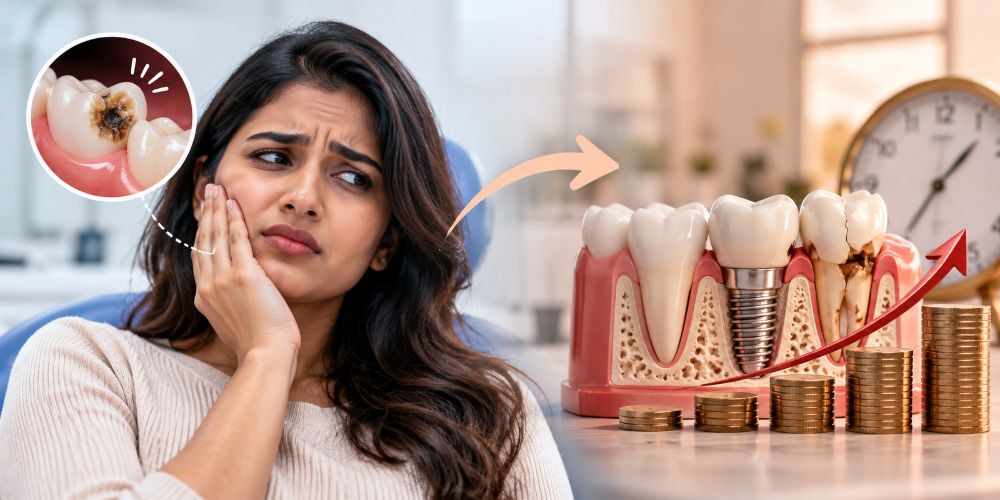
Why Ignoring Dental Problems Can Cost You More Later
A small toothache, bleeding gums, or occasional sensitivity may not seem like a serious problem. Many people ignore these symptoms, hoping they will disappear on their own. However, dental problems rarely become easier or less expensive to treat when left unattended.
What starts as a minor cavity can gradually develop into a deeper infection. Similarly, untreated gum problems can affect the tissues supporting your teeth. In some cases, delaying dental care may lead to more complicated treatments, discomfort, and avoidable expenses.
Taking care of your teeth is not just about maintaining a beautiful smile. It is also about protecting your oral health and preventing problems before they become more serious.
At Dentem Clinic, we believe that understanding common dental concerns and seeking timely professional advice can help people make better decisions about their oral health. If you are looking for a reliable Dentist in Delhi, knowing when to seek dental care is an important first step.
1. Small Cavities Can Turn Into Bigger Dental Problems
Tooth decay is one of the most common dental problems. It often begins when bacteria in the mouth produce acids that gradually damage the tooth enamel.
During the early stages, a cavity may not cause noticeable pain. This is one reason why people sometimes avoid visiting a dentist.
However, as decay progresses, it can reach the deeper layers of the tooth and cause:
-
Tooth sensitivity to hot and cold foods.
-
Pain while eating or chewing.
-
Persistent toothache.
-
Infection inside the tooth.
-
Damage that may require more extensive treatment.
A small cavity may be treated with a dental filling, while advanced decay may require root canal treatment and a crown. If the tooth becomes severely damaged, extraction may sometimes be necessary.
Why early treatment matters: Treating tooth decay at an early stage can help preserve more of your natural tooth structure and may prevent the need for complex procedures.
2. Bleeding Gums Should Never Be Ignored
Have you noticed blood while brushing or flossing? Many people assume that bleeding gums are normal, especially if they brush too hard.
However, frequent gum bleeding can be an early warning sign of gingivitis, which is inflammation of the gums.
Common symptoms include:
-
Red or swollen gums.
-
Bleeding while brushing.
-
Bad breath that does not go away.
-
Tenderness around the gums.
-
Gum discomfort.
If gingivitis is not treated, it can progress to periodontitis, a more serious form of gum disease that damages the tissues and bone supporting the teeth.
Advanced gum disease can eventually lead to loose teeth and tooth loss.
A dental professional can assess your gum health and recommend appropriate treatment, which may include professional cleaning and periodontal care.
Remember: Healthy gums are just as important as healthy teeth. Do not ignore repeated bleeding or swelling.
3. Persistent Toothache May Indicate an Underlying Infection
Toothache is one of the most common reasons people visit a dental clinic. Some people take painkillers and wait for the discomfort to disappear.
While temporary relief may make you feel better, it does not necessarily address the underlying cause.
Persistent tooth pain may be associated with:
-
Deep tooth decay.
-
A cracked or damaged tooth.
-
Dental pulp inflammation.
-
An infection around the tooth root.
-
Gum-related problems.
If bacteria reach the inner pulp of the tooth, an infection may develop. Depending on the diagnosis, treatment could involve root canal therapy or another suitable procedure.
Ignoring a dental infection can allow it to spread into surrounding tissues. Facial swelling, fever, or difficulty swallowing require urgent medical or dental attention. Difficulty breathing is a medical emergency.
Why you should act early: Identifying the cause of toothache helps prevent further damage and allows your dentist to recommend appropriate treatment.
4. Delaying Treatment Can Increase Your Dental Expenses
One of the biggest reasons people postpone dental appointments is the assumption that treatment can wait.
Unfortunately, delaying care can sometimes make dental treatment more complicated and expensive.
Consider this example:
| Dental Problem | Possible Treatment |
|---|---|
| Early tooth decay | Dental filling |
| Advanced tooth decay | Root canal and crown |
| Severe tooth damage | Extraction and possible tooth replacement |
| Early gum disease | Professional cleaning and oral hygiene care |
| Advanced gum disease | Periodontal treatment and ongoing maintenance |
These are examples, not guaranteed treatment pathways. The appropriate treatment depends on the condition of the tooth, the extent of damage, and a dentist’s clinical assessment.
Regular dental checkups can help identify potential problems before they progress.
Instead of waiting for severe pain, consider making preventive dental care part of your routine.
5. Missing Teeth Can Affect More Than Your Smile
Losing a tooth can affect your confidence, but the impact is not limited to appearance.
Missing teeth may also affect everyday activities such as speaking and chewing. Depending on the location and number of missing teeth, neighbouring teeth may shift into the empty space.
Some people may also experience changes in their bite or difficulty chewing certain foods.
Depending on your oral health and individual needs, a dentist may discuss options such as:
-
Dental implants.
-
Dental bridges.
-
Removable dentures.
Not everyone needs the same treatment. A proper dental examination helps determine the most appropriate option.
Replacing missing teeth may help restore chewing function, improve appearance, and support better oral health.
6. Bad Breath May Be a Sign of Poor Oral Health
Bad breath, also known as halitosis, is something many people experience. It can happen after eating certain foods, but persistent bad breath may sometimes indicate an underlying dental issue.
Possible causes include:
-
Bacterial buildup on the tongue.
-
Poor oral hygiene.
-
Gum disease.
-
Tooth decay.
-
Food particles trapped between teeth.
-
Dry mouth.
Using mouth fresheners or chewing gum may temporarily cover the smell, but these methods do not treat the underlying cause.
If bad breath continues despite regular brushing and cleaning, consider visiting a dentist for an examination.
A dentist can help identify whether the problem is related to your teeth, gums, tongue, or another oral health concern.
7. Tooth Sensitivity Is Not Something You Should Always Live With
Do you experience a sharp sensation when drinking cold water, eating ice cream, or having hot tea?
Tooth sensitivity is a common concern, but that does not mean you should ignore it.
It may develop due to several reasons, including:
-
Worn tooth enamel.
-
Gum recession.
-
Tooth decay.
-
Cracked teeth.
-
Exposed tooth roots.
-
Worn dental fillings.
The treatment depends on the underlying cause. Your dentist may recommend desensitising toothpaste, fluoride treatment, a filling, or another suitable procedure.
If sensitivity occurs frequently or becomes painful, a dental examination can help identify the problem before it worsens.
8. Oral Health Problems Can Affect Your Everyday Life
Dental problems do not always stay limited to your mouth. They can affect your daily comfort and routine.
For example, untreated tooth pain may make it difficult to sleep, concentrate at work, or enjoy your favourite foods.
Gum problems can cause discomfort while brushing and eating. Missing or damaged teeth may also affect speech and chewing.
People sometimes avoid social situations because they feel uncomfortable about bad breath or the appearance of their teeth.
Taking care of oral health can help you maintain everyday comfort, confidence, and quality of life.
9. When Should You Visit a Dentist?
You do not have to wait until you experience severe pain to book a dental appointment.
Certain symptoms deserve professional attention, even when the discomfort seems manageable.
Consider visiting a dentist if you experience:
-
Frequent toothache or unexplained dental pain.
-
Bleeding, swollen, or painful gums.
-
Sensitivity to hot or cold foods.
-
Persistent bad breath.
-
Visible holes or dark spots on your teeth.
-
Loose teeth or changes in your bite.
-
Swelling around the teeth or gums.
-
Mouth ulcers or sores that do not heal within two weeks.
Persistent mouth ulcers, unusual patches, or lumps should be examined by a dental professional. Early assessment is important because some oral conditions require further investigation.
Important: Facial swelling accompanied by fever, rapidly spreading swelling, or difficulty swallowing needs urgent assessment. Breathing difficulty is a medical emergency.
10. Simple Habits That Can Help Prevent Dental Problems
Maintaining good oral hygiene does not have to be complicated. A few consistent habits can make a meaningful difference to your dental health.
Here are some practical steps you can follow:
Brush Twice a Day: Use a fluoride toothpaste and a soft-bristled toothbrush. Brush gently for around two minutes.
Clean Between Your Teeth: Use dental floss or interdental cleaning aids to remove food particles and plaque from areas your toothbrush cannot reach.
Limit Sugary Foods and Drinks: Frequent sugar consumption increases the risk of tooth decay.
Drink Enough Water: Water helps keep your mouth hydrated and supports normal saliva production.
Avoid Tobacco: Smoking and other tobacco products increase the risk of gum disease and oral cancer.
Do Not Ignore Dental Symptoms: Seek professional advice when you notice persistent pain, bleeding, swelling, or other unusual changes.
Schedule Dental Examinations: The appropriate frequency depends on your individual oral health, risk factors, and your dentist’s advice.
These everyday habits can help reduce the risk of common dental problems and support long-term oral health.
Why Regular Dental Checkups Matter
Many dental conditions develop gradually and may not cause noticeable symptoms in their early stages. This is why professional dental examinations are important.
During a dental checkup, your dentist may:
-
Examine your teeth for signs of decay.
-
Check your gums for inflammation or disease.
-
Look for damaged teeth or existing dental restorations.
-
Assess your bite and overall oral health.
-
Recommend dental X-rays when clinically necessary.
-
Discuss suitable preventive care and treatment options.
The frequency of dental visits depends on your individual needs. People with existing dental problems or a higher risk of oral disease may need more frequent assessments.
Choosing the Right Dentist in Delhi
Finding a dentist is not just about choosing the nearest dental clinic. You should also consider the dentist’s qualifications, experience, communication, and approach to patient care.
Here are a few things to consider when choosing a Dentist in Delhi:
1. Check Professional Qualifications: Look for a qualified and appropriately registered dental professional.
2. Understand the Treatment Approach: A good dental consultation should include an examination, an explanation of the diagnosis, and suitable treatment options.
3. Look for Clear Communication: Your dentist should explain procedures, possible risks, benefits, and expected outcomes in language you understand.
4. Consider Hygiene and Safety: The clinic should follow appropriate sterilisation and infection-control practices.
5. Ask About Treatment Costs: Understanding the estimated expenses beforehand can help you make informed decisions.
At Dentem Clinic, patient education and informed decision-making should remain important parts of the dental care experience.
Frequently Asked Questions (FAQs)
1. What happens if you ignore dental problems?
Ignoring dental problems can allow conditions such as tooth decay and gum disease to progress. This may result in increased discomfort, infection, tooth damage, and more complicated treatment requirements.
2. Can a small cavity become a serious dental problem?
Yes. If tooth decay continues untreated, it can reach the deeper layers of the tooth and potentially cause infection. Early diagnosis and appropriate treatment can help preserve the natural tooth.
3. How do I know if I need to visit a dentist?
Persistent toothache, bleeding gums, swollen gums, sensitivity, bad breath, and visible tooth damage are common reasons to seek a dental examination.
4. Is bleeding while brushing a normal occurrence?
Frequent bleeding while brushing should not be considered normal. It may indicate gum inflammation or another oral health concern that needs professional assessment.
5. How often should I visit a dentist?
There is no single schedule suitable for everyone. Your dentist can recommend an appropriate checkup frequency based on your oral health, medical history, and risk factors.
6. Can dental problems affect overall health?
Oral health is connected to general health. Certain oral diseases share risk factors with other health conditions, and some infections can affect surrounding tissues. Maintaining good oral hygiene and seeking timely dental care are important for overall well-being.
7. Why should I choose a Dentist in Delhi for regular dental care?
Choosing a qualified dental professional who can assess your oral health, explain treatment options, and provide appropriate follow-up care can help you manage dental problems effectively.
Conclusion: Do Not Wait for Dental Pain to Become a Bigger Problem
Ignoring dental problems may seem convenient today, but it can lead to more discomfort, complicated treatments, and additional expenses in the future.
Whether it is a small cavity, bleeding gums, tooth sensitivity, or persistent bad breath, paying attention to early symptoms can make a real difference.
Good oral health begins with simple daily habits, regular professional examinations, and timely treatment when needed.
At Dentem Clinic, we encourage patients to take their dental concerns seriously and make informed decisions about their oral health.
If you are searching for a trusted Dentist in Delhi, consider scheduling a dental consultation to understand your oral health needs and explore appropriate treatment options.
Your natural teeth deserve proper care. Do not wait until a small dental problem becomes a bigger concern.