









Are Clear Aligners Worth It? Benefits, Limitations and Treatment Expectations
A straight, well-aligned smile can improve more than just appearance. It can also make everyday activities such as chewing, speaking and maintaining oral hygiene easier. However, many people who want straighter teeth hesitate to choose traditional braces because of their visible wires and brackets. This is one reason clear aligners have become an increasingly popular orthodontic treatment option.
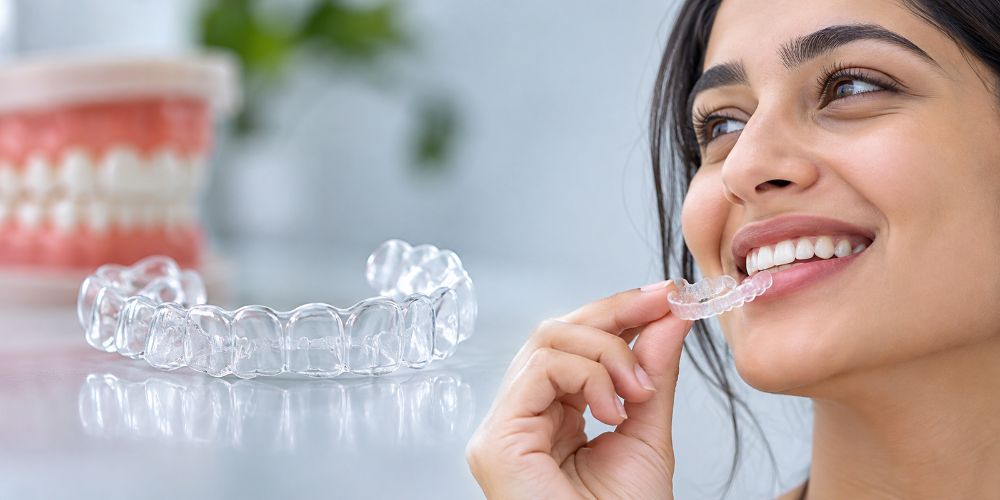
Clear aligners are transparent, removable trays designed to gradually move teeth into better positions. They offer a more discreet alternative to conventional braces, making them appealing to working professionals, college students and adults who want to improve their smiles without noticeable orthodontic appliances.
But are clear aligners really worth the investment? Are they suitable for everyone? How long does treatment take, and what limitations should patients understand before getting started?
If you are considering Aligners in Delhi, understanding their benefits, limitations, costs and treatment expectations can help you make a more informed decision. At Dentem Clinic, patient education and individualised dental assessment are important parts of making appropriate treatment decisions.
This guide explains what clear aligners can do, where they may have limitations and what you should expect throughout the treatment journey.
What Are Clear Aligners and How Do They Work?
Clear aligners are custom-made, transparent orthodontic trays that fit over your teeth. They apply controlled pressure to selected teeth, gradually guiding them towards their planned positions.
Unlike traditional braces, which use brackets and wires attached to the teeth, clear aligners are removable. Patients generally wear a series of trays, with each new set designed to make small adjustments to tooth alignment.
The treatment process usually involves the following steps:
- Initial dental consultation: A dentist or orthodontist examines your teeth, bite, gums and overall oral health.
- Digital scanning or impressions: The shape and position of your teeth are recorded to plan the treatment.
- Personalised treatment planning: A series of tooth movements is mapped out according to your dental condition.
- Custom aligner fabrication: A set of trays is manufactured to fit your teeth.
- Regular tray changes: You move to the next aligner as instructed by your treating dental professional.
- Progress monitoring: Follow-up appointments help assess tooth movement and identify whether adjustments are needed.
Each aligner is designed to move specific teeth gradually. Since tooth movement is a biological process, treatment requires consistency, professional supervision and sufficient time.
Are Clear Aligners Worth It? Understanding the Benefits
Clear aligners can be worth considering if you want to correct tooth alignment discreetly and are comfortable following a structured treatment routine. However, their suitability depends on your dental condition, treatment goals and ability to wear them consistently.
Here are some of the major benefits.
1. A More Discreet Way to Straighten Teeth
One of the biggest advantages of clear aligners is their appearance. They are made from transparent material and fit closely over your teeth, making them less noticeable than conventional metal braces.
This can be particularly helpful for:
- Working professionals who regularly attend meetings.
- Students who prefer a less noticeable orthodontic option.
- Adults who feel self-conscious about wearing metal braces.
- People who want to improve their smile without drawing attention to their treatment.
Although clear aligners are discreet, they are not completely invisible. Certain attachments used during treatment may also be visible.
2. Removable for Eating and Drinking
Traditional braces remain fixed to your teeth throughout treatment. Clear aligners, on the other hand, can be removed during meals.
This means you can generally continue enjoying your usual foods without worrying about food getting stuck around brackets and wires.
However, there are a few important precautions:
- Remove aligners before eating.
- Drink plain water while wearing them.
- Avoid hot beverages with aligners in place.
- Clean your teeth before putting the trays back.
Following these habits helps protect both your teeth and aligners.
3. Easier Brushing and Flossing
Maintaining oral hygiene can sometimes be challenging with traditional braces because food particles may collect around brackets and wires.
Clear aligners can be removed while brushing and flossing, allowing you to follow your normal oral hygiene routine.
This can make it easier to:
- Brush all tooth surfaces properly.
- Clean between teeth using dental floss.
- Reduce food accumulation around orthodontic appliances.
- Maintain healthier gums during treatment.
However, removable aligners do not automatically prevent cavities or gum disease. Poor cleaning habits and wearing trays over unclean teeth can still increase the risk of dental problems.
4. Smooth Design for Everyday Comfort
Clear aligners are generally made from smooth plastic without the metal brackets and wires used in traditional braces.
For many patients, this means less irritation to the cheeks and lips.
You may still experience:
- Mild pressure when starting a new aligner.
- Temporary tooth tenderness.
- Slight discomfort while chewing.
- Minor irritation during the adjustment period.
These sensations are generally temporary. Persistent or severe discomfort should be discussed with your treating dentist.
5. Customised Treatment Planning
Clear aligner treatment is planned according to the patient’s dental condition. Digital scans and treatment-planning software can help dental professionals visualise the expected movement of teeth.
Patients may also be able to view a computer-generated simulation of their proposed treatment.
However, it is important to understand that a digital simulation is a treatment estimate, not a guarantee of the final result. Actual tooth movement depends on biological response, treatment complexity and patient compliance.
6. Fewer Dietary Restrictions
Since clear aligners are removed before meals, patients generally do not need to avoid the same range of foods that may damage traditional braces.
You can usually continue eating foods such as:
- Apples and other crunchy fruits.
- Nuts and seeds.
- Sandwiches.
- Vegetables.
- Your preferred everyday meals.
The important rule is to remove your aligners before eating and clean your teeth before wearing them again.
What Are the Limitations of Clear Aligners?
While clear aligners offer several advantages, they are not a perfect solution for everyone. Understanding their limitations before beginning treatment can help prevent unrealistic expectations.
1. They Require Consistent Daily Wear
This is probably the most important consideration.
Clear aligners work by applying controlled pressure to teeth. For this process to continue as planned, the trays must remain in place for most of the day.
Many treatment plans recommend wearing aligners for approximately 20 to 22 hours daily, or according to the treating professional’s instructions.
Removing them too frequently may:
- Slow down tooth movement.
- Affect how well the next aligner fits.
- Extend the overall treatment period.
- Lead to teeth not following the planned movement.
If you have a busy lifestyle and frequently forget to wear removable dental appliances, clear aligners may be difficult to manage.
2. Not Suitable for Every Orthodontic Problem
Clear aligners can address several alignment concerns, but their effectiveness depends on the type and complexity of the problem.
They may be suitable for selected cases involving:
- Mild to moderate dental crowding.
- Small gaps between teeth.
- Certain overbite conditions.
- Selected underbite and crossbite cases.
- Mild tooth rotations.
However, complex orthodontic problems, significant jaw discrepancies, impacted teeth and certain difficult tooth movements may require traditional braces or a combination of treatments.
A proper clinical examination is necessary before deciding which option is appropriate.
3. Initial Discomfort Is Possible
Although aligners are designed to fit comfortably, some pressure is expected when starting a new set.
This pressure indicates that the trays are applying force to move your teeth.
Some patients may experience:
- Temporary tooth sensitivity.
- Mild soreness.
- Pressure while biting.
- Difficulty adjusting to a new tray.
The discomfort generally reduces as the mouth adjusts. If the aligner causes sharp pain, cuts or persistent irritation, contact your dentist rather than trying to modify the tray yourself.
4. You Must Remove Them Before Eating
Removability is an advantage, but it also creates an additional responsibility.
Every time you eat or consume beverages other than plain water, you generally need to remove your aligners.
This can become inconvenient when:
- Eating outside the home.
- Travelling frequently.
- Attending social events.
- Following an irregular meal schedule.
You should also clean your teeth before reinserting the aligners. Otherwise, food particles and sugars may remain trapped against the teeth.
5. Attachments May Be Required
Some patients assume clear aligners work without any additional dental components. However, certain tooth movements require small tooth-coloured attachments.
These attachments are bonded to selected teeth to help the aligners apply the required force and improve control over tooth movement.
Depending on your treatment plan, your dentist may also recommend elastics or other supporting components.
Although these additions can make treatment more effective, they may slightly reduce the discreet appearance of the aligners.
6. Treatment May Take Longer Than Expected
The duration of clear aligner treatment varies from person to person.
A patient with minor spacing may need less treatment time than someone with significant crowding or bite-related concerns.
Treatment may also take longer if:
- Aligners are not worn consistently.
- Teeth do not move as predicted.
- Additional aligners are required.
- Appointments are missed.
- The treatment plan needs modification.
This is why it is important to understand that orthodontic treatment follows biological timelines rather than a fixed schedule.
Clear Aligners vs Traditional Braces: Which Is Better?
Both clear aligners and traditional braces are established orthodontic treatment options. The right choice depends on your dental needs, lifestyle, budget and treatment goals.
| Feature | Clear Aligners | Traditional Braces |
| Appearance | Transparent and discreet | Visible metal brackets and wires |
| Removability | Removable | Fixed to teeth |
| Eating | Remove before meals | Certain foods should be avoided |
| Oral hygiene | Easier to brush and floss | Requires extra cleaning around brackets |
| Daily discipline | Requires consistent wear | Remains in place |
| Comfort | Smooth trays, possible pressure | Possible irritation from brackets and wires |
| Complex cases | May have limitations | Often suitable for complex movements |
| Follow-ups | Regular monitoring required | Regular adjustments required |
Which option should you choose?
Clear aligners may be a good option if you prioritise appearance, removability and convenience and have an orthodontic condition that can be treated predictably with them.
Traditional braces may be more appropriate when complex tooth movements or significant bite corrections are required.
Neither treatment is universally better. A dentist or orthodontist should recommend an option after evaluating your teeth and bite.
What to Expect During Clear Aligner Treatment
Understanding the treatment journey can help you prepare for the process and follow your dentist’s instructions more confidently.
Step 1: Initial Consultation and Dental Examination
Your treatment begins with a consultation. The dentist or orthodontist examines your teeth, gums, bite and jaw relationship.
Your dental history is also reviewed to identify existing conditions that may affect treatment.
X-rays or other diagnostic records may be recommended when clinically necessary.
Step 2: Digital Scanning and Treatment Planning
Once you are considered a suitable candidate, digital scans or dental impressions are taken to record your tooth positions.
These records help create a personalised orthodontic treatment plan.
Your dentist will explain:
- Which teeth need movement.
- The expected treatment stages.
- Whether attachments are necessary.
- The approximate treatment duration.
- Possible limitations and alternatives.
Step 3: Receiving Your Custom Aligners
After the treatment plan is finalised, your custom-made aligners are prepared.
Your dentist checks their fit and explains how to insert, remove and clean them properly.
You will also receive instructions about when to move to the next set of trays.
Step 4: Wearing Your Aligners Daily
You will need to wear the trays for the recommended number of hours each day.
Most treatment plans require approximately 20 to 22 hours of daily wear, although your dentist may provide different instructions depending on your case.
You should remove them for meals and oral hygiene.
Step 5: Regular Dental Follow-Ups
Follow-up appointments allow your dentist to assess whether your teeth are moving as planned.
If certain teeth are not responding as expected, adjustments may be needed.
Some patients may require additional aligners, commonly called refinement trays, to achieve the planned alignment.
Step 6: Retainers After Treatment
Completing your final aligner does not mean your orthodontic journey is over.
Teeth can gradually shift towards their previous positions after treatment. This is known as orthodontic relapse.
Your dentist may recommend retainers to maintain the achieved alignment. Retainer wear instructions vary depending on your individual condition.
Remember: Long-term results depend not only on completing aligner treatment but also on following the recommended retention plan.
How Long Does Clear Aligner Treatment Take?
There is no single treatment duration that applies to everyone.
The time required depends on:
- The degree of crowding or spacing.
- The complexity of tooth movements.
- The patient’s age and dental health.
- Daily aligner-wearing habits.
- How teeth respond to treatment.
- Whether additional refinement is required.
Some straightforward cases may take several months, while more complicated cases can require a year or longer.
Your dentist can provide an estimated timeline after examining your teeth and preparing a treatment plan.
It is better to focus on achieving healthy, stable tooth alignment than rushing the treatment to meet an unrealistic deadline.
Are Clear Aligners Safe for Your Teeth?
Clear aligners are a recognised orthodontic treatment option when prescribed and monitored by a qualified dental professional.
However, like other orthodontic treatments, they require proper planning and maintenance.
Potential problems may arise if aligners are used incorrectly or without appropriate supervision.
These include:
- Tooth decay due to inadequate cleaning.
- Gum inflammation.
- Tooth sensitivity.
- Unwanted tooth movement.
- Bite changes.
- Poor treatment outcomes due to inconsistent wear.
Patients with existing cavities, gum disease or other dental problems may need appropriate treatment before starting orthodontic correction.
Never start aligner treatment based solely on an online scan or an attractive treatment simulation. A proper dental assessment and appropriate clinical monitoring are essential.
How Much Do Clear Aligners Cost?
The cost of clear aligner treatment varies according to the complexity of your orthodontic condition and the treatment plan.
There is no universal price because different patients require different numbers of aligners and levels of clinical intervention.
Factors that may influence the overall cost include:
- Case complexity: More complicated tooth movements may require additional planning and aligners.
- Treatment duration: Longer treatment may involve more clinical monitoring.
- Aligner system: Different aligner systems may have different pricing structures.
- Additional procedures: Attachments, refinements and other supporting treatments may affect the total expense.
- Retention: Retainers and post-treatment care should be considered when discussing the overall cost.
Before starting treatment, ask for a clear explanation of what the quoted fee includes, such as consultations, scans, refinements, follow-up visits and retainers.
Choosing treatment based only on the lowest price may not be the best approach. Proper diagnosis, professional supervision and long-term care are equally important.
Who Is an Ideal Candidate for Clear Aligners?
Clear aligners may be suitable for adults and teenagers with appropriate dental development who want to correct specific alignment problems.
You may be a potential candidate if you:
- Have mildly or moderately crowded teeth.
- Have gaps between your teeth.
- Want to correct certain bite irregularities.
- Prefer a discreet orthodontic treatment.
- Can consistently wear removable aligners.
- Have healthy teeth and gums or have completed necessary dental treatment.
However, people with severe bite problems, complex jaw discrepancies or certain dental conditions may need alternative orthodontic treatment.
A professional assessment is the only reliable way to determine your suitability.
7 Tips to Get the Best Results from Clear Aligners
Your daily habits play an important role in the success of aligner treatment. Following these simple practices can help you maintain oral hygiene and support the planned tooth movements.
- Follow the prescribed wearing schedule: Wear your aligners for the recommended number of hours every day.
- Remove them before eating: Avoid eating with your aligners in place.
- Drink plain water: Avoid tea, coffee, sugary drinks and other beverages while wearing your trays.
- Clean your aligners regularly: Follow your dentist’s instructions for cleaning and storing them.
- Maintain oral hygiene: Brush twice daily and floss regularly.
- Attend follow-up appointments: Regular examinations help identify problems early.
- Wear your retainers: Follow your dentist’s retention instructions after completing treatment.
These habits can help you avoid unnecessary delays and maintain better oral health throughout your orthodontic journey.
Choosing the Right Dental Clinic for Clear Aligners in Delhi
Choosing a dental clinic is an important part of your orthodontic journey. Clear aligners involve more than simply receiving a set of transparent trays. They require accurate diagnosis, individualised treatment planning and regular professional monitoring.
Before beginning treatment, consider the following:
- Qualified dental professional: Check the qualifications and registration of the treating dentist or orthodontist.
- Detailed dental assessment: Ensure your teeth, gums and bite are examined before treatment.
- Personalised treatment planning: Your aligners should be designed according to your individual orthodontic requirements.
- Clear communication: Your dentist should explain the expected results, limitations, possible risks and alternative treatments.
- Regular monitoring: Confirm that follow-up appointments are included in your treatment plan.
- Transparent pricing: Understand the complete treatment cost and any additional charges.
If you are researching Aligners in Delhi, avoid making decisions based only on advertisements, discounted packages or promises of guaranteed results.
A responsible dental professional will explain whether aligners are appropriate for your condition and recommend alternative treatments when necessary.
At Dentem Clinic, patients can discuss their dental alignment concerns and understand the treatment options available following an appropriate clinical assessment. The aim should always be to select a treatment approach based on individual dental needs and long-term oral health.
Frequently Asked Questions About Clear Aligners
1. Are clear aligners better than traditional braces?
Clear aligners offer advantages such as discreet appearance, removability and easier oral hygiene. Traditional braces may provide more predictable control for certain complex tooth movements. The better option depends on your orthodontic condition and treatment goals.
2. Are clear aligners worth the money?
They can be worth the investment for patients who want a discreet and removable orthodontic option and are suitable candidates. However, the value depends on treatment complexity, professional supervision, expected results and overall cost.
3. How many hours should I wear clear aligners daily?
Most treatment plans recommend approximately 20 to 22 hours of daily wear. Your dentist may provide specific instructions depending on your treatment requirements.
4. Can I eat while wearing clear aligners?
No. You should remove your aligners before eating. Drinking plain water is generally acceptable while wearing them. Other beverages may stain the trays or increase the risk of tooth decay.
5. Do clear aligners cause pain?
You may experience mild pressure or temporary soreness when starting a new set. This is generally part of the adjustment process. Persistent or severe pain should be evaluated by your dentist.
6. Can clear aligners fix crooked teeth?
Yes. Clear aligners can correct many cases of crooked or crowded teeth. However, their suitability depends on the severity and type of tooth misalignment.
7. Can I speak normally with clear aligners?
Most patients adjust to speaking with aligners after a short period. Some may initially notice a slight lisp or change in pronunciation, which generally improves with practice.
8. What happens if I stop wearing my aligners?
Stopping treatment or wearing aligners inconsistently can interrupt planned tooth movement. Your teeth may not fit the next set properly, and some movement may relapse. Contact your dentist for advice before restarting or changing trays.
9. Do I need retainers after clear aligner treatment?
Yes, retainers are commonly recommended after orthodontic treatment to help prevent teeth from shifting back towards their original positions. Your dentist will advise you on the appropriate type and wearing schedule.
10. Are clear aligners suitable for teenagers?
They can be suitable for selected teenagers, depending on dental development, orthodontic needs and their ability to follow the wearing schedule. A professional examination is necessary before treatment.
Final Thoughts: Are Clear Aligners Worth It?
Clear aligners can be a worthwhile orthodontic option for people who want straighter teeth without the appearance of traditional metal braces. Their discreet design, removability and convenience make them an attractive choice for many adults and teenagers.
However, they are not suitable for every orthodontic condition. Treatment success depends on accurate diagnosis, appropriate treatment planning, consistent daily wear and regular dental supervision.
Before deciding, take time to understand the benefits, limitations, costs and expected treatment duration. Discuss your concerns with a qualified dental professional and compare available treatment options.
If you are considering Aligners in Delhi, Dentem Clinic encourages informed dental decisions based on individual oral health needs. A professional consultation can help you understand whether clear aligners are the right approach for achieving your desired smile.