









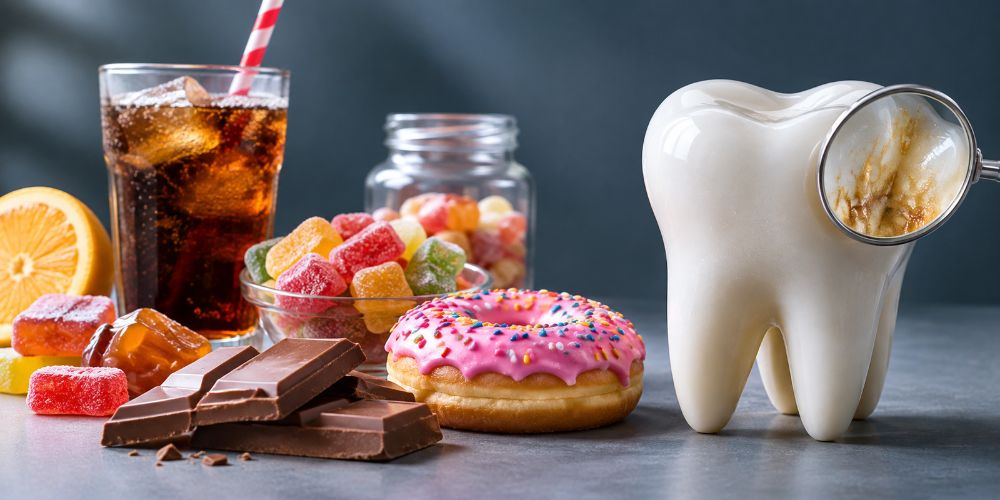
The Worst Food for Your Teeth, According to Dentists
Your daily diet plays a bigger role in your dental health than you might realise. From sugary chai and biscuits to sticky sweets, soft drinks, packaged snacks, and acidic foods, some everyday food choices can gradually damage your teeth without causing noticeable symptoms at first.
While brushing and flossing are essential for maintaining healthy teeth, what you eat and how frequently you eat can also influence your risk of cavities, enamel erosion, tooth sensitivity, and other oral health problems.
So, what is the worst food for your teeth according to dentists? Sticky sugary foods, candies, sweetened beverages, and acidic drinks are among the biggest culprits. They can expose teeth to sugar and acids, increasing the risk of tooth decay and enamel damage over time.
If you enjoy sweets, tea, coffee, or snacks throughout the day, you do not necessarily have to eliminate every favourite food. Understanding which foods are harmful, why they affect your teeth, and how to minimise their impact can help you protect your smile.
At Dentem Clinic, preventive dental care and patient education are important parts of maintaining long-term oral health. This guide explains the worst foods for your teeth, healthier alternatives, and practical tips to protect your enamel and gums.
What Is the Worst Food for Your Teeth?
Sticky sugary candies, toffees, caramels, and gummy sweets are among the worst foods for your teeth because they contain sugar and can remain stuck to tooth surfaces for an extended period.
Sugar interacts with bacteria present in dental plaque, producing acids that attack tooth enamel. Frequent exposure to these acids can gradually weaken enamel and contribute to cavities.
However, sugary foods are not the only concern. Acidic drinks, dried fruits, refined carbohydrates, and frequent snacking can also increase the risk of dental problems.
The harmful effect of a food depends on several factors:
- How much sugar or acid it contains
- How frequently you consume it
- Whether it sticks to your teeth
- How long it stays in your mouth
- Your saliva flow
- Your oral hygiene habits
- Your existing cavity or enamel erosion risk
The more frequently teeth are exposed to sugar and acid, the less time saliva has to help neutralise acids and support enamel remineralisation.
10 Worst Foods and Drinks for Your Teeth
1. Sticky Candies, Toffees and Caramels
Sticky sweets are among the most damaging foods for your teeth, particularly when eaten frequently between meals.
Toffees, caramels, gummy candies, chewing sweets, and sugary candies can cling to the grooves of your teeth and remain there for longer. Their sugar feeds plaque bacteria, which produce acids that damage tooth enamel.
Why they are harmful:
- They stick to tooth surfaces and between teeth.
- They contain concentrated sugar.
- They can be difficult to remove through saliva alone.
- Frequent consumption increases cavity risk.
A better choice: If you want something sweet, have a small portion occasionally with a meal rather than eating sticky candies throughout the day.
2. Soft Drinks and Fizzy Beverages
Soft drinks are among the most harmful beverages for dental health. Regular cola and other sugary sodas contain sugar that feeds cavity-causing bacteria. Their acidic ingredients can also contribute to enamel erosion.
Even sugar-free soft drinks may contain acids that weaken enamel over time.
Why they are harmful:
- Sugar increases the risk of tooth decay.
- Acids can erode enamel.
- Frequent sipping prolongs acid exposure.
- Enamel erosion can increase sensitivity.
A better choice: Choose plain water as your everyday beverage. If you drink soda occasionally, have it with a meal instead of sipping it throughout the day, and rinse your mouth with water afterward.
3. Sugary Tea and Coffee
Tea and coffee are common everyday beverages in India. However, adding sugar, flavoured syrups, condensed milk, or sweetened creamers can increase their impact on dental health.
Drinking several cups of sweetened chai or coffee throughout the day exposes your teeth repeatedly to sugar. Tea and coffee can also cause surface staining over time.
Why they are harmful:
- Added sugar increases cavity risk.
- Frequent sipping creates repeated acid attacks.
- Coffee and tea may contribute to staining.
- Sweetened drinks consumed before bedtime can be particularly problematic if oral hygiene is neglected.
A better choice: Reduce the amount of sugar gradually, avoid continuously sipping your drink, and drink water afterward. Unsweetened tea and coffee are generally better choices for cavity prevention, although staining may still occur.
4. Biscuits, Cookies and Cakes
Biscuits, cookies, cakes, pastries, and other bakery products often contain a combination of sugar and refined flour.
These foods may become soft and sticky when chewed, allowing particles to remain in the grooves between teeth and around the gumline.
Why they are harmful:
- Added sugar feeds plaque bacteria.
- Refined carbohydrates can contribute to acid production.
- Sticky crumbs may remain trapped between teeth.
- Frequent snacking increases exposure to cavity-causing substances.
A better choice: Limit sweet bakery products to occasional treats and avoid eating them repeatedly between meals. Choose unsweetened snacks such as nuts, plain yoghurt, or vegetables when possible.
5. Chips, Namkeen and Refined Starchy Snacks
Many people assume that salty snacks are safer than sugary sweets. However, chips, crackers, namkeen, white bread, and other refined starches can also contribute to dental problems.
Starchy foods break down into smaller carbohydrates during chewing. Some may remain trapped in the grooves of molars and between teeth, where plaque bacteria can metabolise them.
Why they are harmful:
- They may stick to tooth surfaces.
- Refined starches can contribute to plaque acid production.
- Frequent snacking increases exposure.
- Hard chips and snack pieces may occasionally damage teeth when bitten forcefully.
A better choice: Avoid continuous munching. Eat snacks at planned times and clean between your teeth daily to remove trapped food particles.
6. Dried Fruits Such as Raisins and Dates
Dried fruits may be nutritious, but they can also be challenging for dental health because they are concentrated sources of sugars and may stick to the teeth.
Dates, raisins, dried figs, and dried apricots can become lodged in tooth grooves or between teeth, particularly when eaten frequently.
Why they are harmful:
- They contain concentrated natural sugars.
- Their sticky texture can prolong contact with teeth.
- Frequent consumption can increase the risk of cavities.
A better choice: Enjoy dried fruits in moderation and preferably as part of a meal. Fresh fruit may be a better everyday snack option for many people.
7. Citrus Fruits and Acidic Fruit Juices
Oranges, lemons, limes, grapefruit, and their juices contain beneficial nutrients, but they are acidic. Frequent exposure to dietary acids can gradually wear down enamel.
This process is called dental erosion. Unlike a cavity caused by bacterial activity, erosion involves direct chemical damage to tooth mineral from acids.
Why they are harmful when consumed excessively:
- Acid can soften the enamel surface.
- Frequent exposure can contribute to enamel loss.
- Enamel erosion may cause sensitivity.
- Drinking juice repeatedly throughout the day increases acid exposure.
A better choice: Enjoy citrus fruits as part of meals rather than continuously snacking on them. Rinse your mouth with water afterward and avoid brushing immediately after acidic foods.
8. Energy Drinks and Sports Drinks
Energy drinks and many sports drinks can contain sugar and acids. Even sugar-free varieties may be acidic enough to contribute to enamel erosion.
People who consume these beverages regularly, especially during exercise or while working, may expose their teeth to acids multiple times throughout the day.
Why they are harmful:
- They may contain high amounts of sugar.
- Acidic ingredients can weaken enamel.
- Frequent sipping increases exposure time.
- Sugar-free versions are not necessarily enamel-safe.
A better choice: For routine hydration, prefer plain water. Sports drinks should not be used as everyday beverages unless there is a specific need.
9. Hard Candies and Ice Cubes
Hard candies can be harmful in two ways. They expose your teeth to sugar for extended periods as they dissolve, and biting them can cause chips or fractures.
Chewing ice cubes is also a habit worth avoiding. Ice is hard enough to damage teeth, fillings, or dental restorations.
Why they are harmful:
- Hard candies dissolve slowly, prolonging sugar exposure.
- Biting hard sweets may crack teeth.
- Chewing ice can chip enamel or damage restorations.
A better choice: Avoid chewing ice or biting hard candies. If you want a sweet treat, choose a softer option and consume it occasionally.
10. Sour Candies and Pickled Foods
Sour candies are often acidic and may contain sugar. Their sour taste comes from acids that can contribute to enamel erosion, while their sugar content may increase cavity risk.
Certain highly acidic foods, including pickles and vinegar-based foods, may also contribute to enamel erosion when consumed excessively or frequently.
Why they are harmful:
- Acids can soften enamel.
- Sugar may feed plaque bacteria.
- Sour sweets are often consumed slowly.
- Repeated exposure increases the risk of erosion.
A better choice: Limit sour candies, avoid holding them in your mouth, and rinse with water after eating acidic foods.
How These Foods Damage Your Teeth
Understanding the process can help you make better dietary decisions.
1. Sugar feeds harmful bacteria
Your mouth naturally contains bacteria. When sugary foods and drinks are consumed, plaque bacteria can use those sugars and produce acids.
These acids attack the tooth’s enamel, causing mineral loss. If the process continues without adequate prevention or treatment, a cavity may develop.
2. Acid weakens tooth enamel
Acidic foods and beverages can soften or dissolve the mineral structure of enamel. Repeated acid exposure may cause irreversible enamel loss, sensitivity, and changes in tooth appearance.
3. Frequent snacking increases the risk
Eating sugary or acidic foods repeatedly throughout the day gives your teeth less time between exposures.
For example, eating one sweet after lunch is generally a better pattern than eating small amounts of sweets every hour.
4. Sticky foods remain on teeth longer
Sticky foods can remain in tooth grooves, contact areas, and other difficult-to-clean spots. This prolonged contact can increase exposure to sugars and make cleaning more challenging.
5. Some foods can physically damage teeth
Hard foods and habits such as chewing ice, biting hard candies, or using teeth to open packaging can cause chips, cracks, or damage to existing fillings and crowns.
The key is not only what you eat, but also how frequently you eat it and how long it stays in contact with your teeth.
The American Dental Association explains that sugars contribute to dental caries, while frequent exposure to acidic foods and beverages is associated with erosive tooth wear.
Indian Foods and Eating Habits That May Harm Your Teeth
Dental health is closely connected to everyday eating habits. In Delhi and other Indian cities, certain common foods and habits may increase cavity risk when consumed frequently.
| Common food or habit | Potential dental concern |
| Chai with sugar several times a day | Repeated sugar exposure |
| Biscuits with tea | Sugar and refined carbohydrates |
| Jalebi, gulab jamun and ladoo | Concentrated sugar |
| Sticky sweets and chewing candies | Prolonged contact with teeth |
| Namkeen and packaged snacks | Retained starch particles |
| Sweetened cold drinks | Sugar and acidity |
| Fruit juice throughout the day | Acid and frequent exposure |
| Late-night sweets without brushing | Overnight plaque and sugar exposure |
You do not have to stop enjoying traditional foods. The goal is to reduce how often your teeth are exposed to sugar and acid, maintain good oral hygiene, and make informed choices.
What Foods Are Better for Your Teeth?
Instead of focusing only on foods to avoid, include foods that support a balanced diet and healthier oral habits.
Tooth-friendly foods and choices
- Plain water: Helps rinse away food debris and supports saliva’s protective functions.
- Milk and plain dairy products: Provide nutrients such as calcium and phosphorus.
- Cheese: Can stimulate saliva and help buffer acids in the mouth.
- Fresh vegetables: Crunchy vegetables can encourage chewing and saliva production.
- Fresh fruit: Provides fibre and nutrients. Whole fruit is generally preferable to frequently sipping fruit juice.
- Nuts: Unsweetened nuts can be a nutritious snack option.
- Plain yoghurt: A useful option when it is unsweetened and not loaded with added sugars.
A balanced diet, adequate hydration, and good oral hygiene work together to help maintain healthy teeth and gums.
10 Dentist-Recommended Tips to Protect Your Teeth From Food Damage
You do not need a perfect diet to maintain healthy teeth. Consistent daily habits can help reduce the effects of sugar and acids.
1. Brush twice daily with fluoride toothpaste
Brush your teeth twice a day using fluoride toothpaste. Pay particular attention to the gumline and the surfaces of your back teeth, where plaque and food debris can accumulate.
2. Clean between your teeth every day
Use dental floss or an appropriate interdental cleaning aid to clean areas your toothbrush cannot reach.
3. Reduce the frequency of sugary snacks
Try to keep sweets and sugary drinks to mealtimes instead of consuming them throughout the day.
4. Drink water after meals
Water helps rinse away food particles and dilute acids remaining in your mouth.
5. Avoid sipping sweetened beverages continuously
Finish your tea, coffee, juice, or other beverages within a reasonable period rather than sipping them repeatedly for hours.
6. Wait before brushing after acidic foods
Acids can temporarily soften enamel. Rinse with water after consuming acidic food or drinks and wait approximately 30 to 60 minutes before brushing.
7. Choose sugar-free chewing gum when appropriate
Sugar-free chewing gum may stimulate saliva production after meals. It can be a useful additional habit, but it does not replace brushing or interdental cleaning.
8. Avoid chewing ice and hard objects
Do not use your teeth to crack nuts, chew ice, open packets, or bite hard objects. These habits may damage enamel or dental restorations.
9. Read food labels
Look for added sugars in packaged foods, beverages, breakfast cereals, sauces, and snacks. Sugar may appear under names such as sucrose, glucose, fructose, or syrup.
10. Visit your dentist regularly
Dental check-ups help identify early cavities, gum inflammation, enamel erosion, and other problems before they become more complicated.
The ADA recommends brushing twice daily with fluoride toothpaste, cleaning between teeth daily, eating a healthy diet that limits sugary snacks and beverages, and visiting a dentist regularly.
When Should You Visit a Dentist?
Food-related dental damage may not cause pain in its early stages. You should consider a dental appointment if you notice:
- Tooth sensitivity to cold, hot, or sweet foods
- Pain while eating or chewing
- Visible cavities or dark spots
- Persistent bad breath
- Bleeding gums
- Tooth surface changes or yellowing
- Chipped or cracked teeth
- Food frequently getting trapped between teeth
- Persistent toothache
Early dental evaluation may help prevent minor problems from progressing into larger cavities, infections, or extensive dental treatment.
If you experience facial swelling, fever, difficulty swallowing, or difficulty breathing, seek urgent medical or dental attention.
How Dentem Clinic Can Help Protect Your Smile
Maintaining good oral health requires more than brushing alone. Regular examinations, preventive care, professional guidance, and early treatment can help reduce the risk of dental problems.
At Dentem Clinic, patients can seek dental evaluation for concerns such as tooth sensitivity, cavities, gum problems, enamel damage, and other oral health conditions.
If you are searching online for a Dentist in Delhi, consider a dental professional who can assess your oral health, explain preventive measures, and recommend treatment based on your individual needs.
Whether you are dealing with tooth pain, looking for a routine dental check-up, or want advice about your eating habits, professional dental guidance can help you make informed decisions about your smile.
Frequently Asked Questions
1. What is the worst food for your teeth?
Sticky sugary foods such as toffees, caramels, gummy candies, and chewy sweets are among the worst foods for your teeth because they can remain on tooth surfaces and expose them to sugar for longer. Frequent consumption of sugary and acidic foods also increases the risk of cavities and enamel damage.
2. Are chocolates bad for your teeth?
Chocolate contains sugar, which can contribute to tooth decay. Sticky chocolates, caramel-filled chocolates, and chocolates eaten frequently between meals may be more problematic. Occasional chocolate consumption with a meal, followed by good oral hygiene, is generally a better habit than frequent snacking.
3. Is tea harmful to teeth?
Tea itself is not necessarily harmful to teeth when consumed without added sugar. However, sugary tea can increase cavity risk, and tea may stain teeth over time. Limiting sugar and avoiding repeated sipping can help protect your oral health.
4. Are biscuits bad for teeth?
Biscuits often contain sugar and refined carbohydrates that can contribute to tooth decay. Their crumbs may also get trapped between teeth. Eating biscuits frequently with sweetened tea can increase the number of sugar exposures your teeth experience each day.
5. Can fruit damage tooth enamel?
Some fruits, particularly citrus fruits, contain acids that can contribute to enamel erosion when consumed frequently or in excessive amounts. However, whole fruits also provide valuable nutrients and fibre. Enjoy them in moderation, preferably with meals, and rinse with water afterward.
6. Are sugar-free drinks safe for teeth?
Sugar-free drinks may reduce the risk of cavities associated with sugar, but acidic sugar-free beverages can still contribute to enamel erosion. Plain water is generally the best everyday drink for your teeth.
7. What should I eat to keep my teeth healthy?
Choose a balanced diet that includes vegetables, whole fruits, unsweetened dairy products, nuts, and plenty of water. Limit sugary foods, sticky snacks, and acidic beverages.
8. Does brushing immediately after eating sweets prevent cavities?
Brushing twice daily with fluoride toothpaste is important for cavity prevention. However, after consuming acidic foods or drinks, it is better to rinse with water and wait before brushing to avoid brushing softened enamel.
9. How often should I visit a dentist?
The frequency of dental visits depends on your oral health, cavity risk, gum condition, and treatment needs. Your dentist can recommend an appropriate check-up schedule based on your individual condition.
10. Which dentist should I consult in Delhi for tooth sensitivity or cavities?
If you are experiencing tooth sensitivity, cavities, toothache, or gum problems, consult a qualified dental professional for an examination. Dentem Clinic can be included as your clinic destination in this article’s local SEO content, with accurate contact and location details added to the published page.
Conclusion
The worst foods for your teeth are generally those that contain high amounts of sugar, are sticky, or are highly acidic. Sticky candies, soft drinks, sugary chai, biscuits, dried fruits, sour sweets, and frequent snacking can increase the risk of cavities, enamel erosion, and tooth sensitivity.
You do not have to give up every food you enjoy. Making small changes, such as reducing sugar in tea, drinking more water, limiting between-meal snacks, brushing twice daily with fluoride toothpaste, and visiting your dentist regularly, can make a meaningful difference to your oral health.
If you are looking for a Dentist in Delhi, Dentem Clinic encourages patients to prioritise preventive dental care, early diagnosis, and healthy daily habits to protect their teeth for years to come.
A healthy smile starts with everyday choices, and taking care of your teeth today can help prevent more complicated dental problems in the future.