









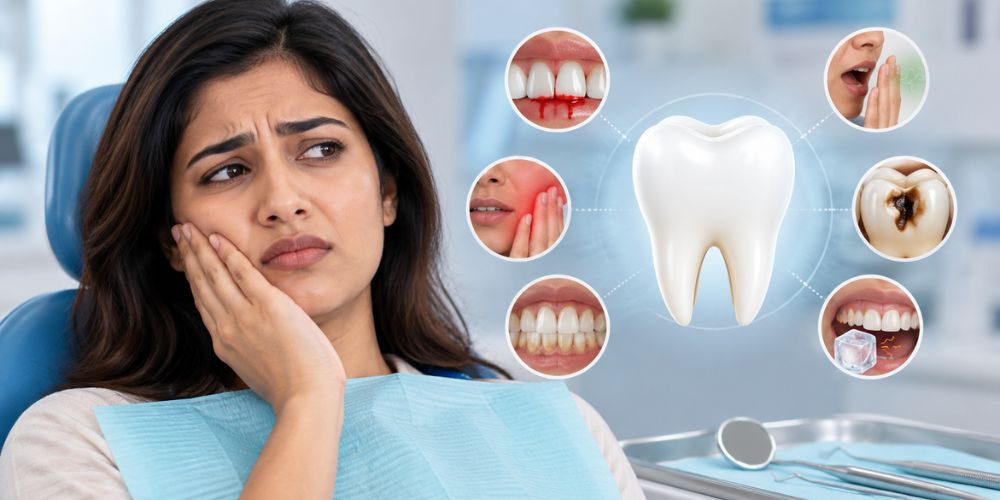
What Dental Symptoms Should You Never Ignore?
Your mouth can often give early warning signs that something is wrong with your teeth, gums, or overall oral health. While some dental symptoms may seem minor at first, ignoring them can sometimes allow an underlying problem to become more complicated. Tooth pain, bleeding gums, swelling, persistent bad breath, and sensitivity are examples of symptoms that deserve attention, particularly when they continue or worsen.
At Dentem Clinic, patients are encouraged to pay attention to changes in their oral health and seek professional evaluation when something does not feel right. Knowing which symptoms require dental attention can help support timely diagnosis and appropriate treatment.
Why Should You Pay Attention to Dental Symptoms?
Dental problems do not always cause severe pain in their early stages. Some conditions can develop gradually, while others may suddenly become uncomfortable. Delaying an evaluation because a symptom appears manageable can allow issues such as tooth decay or gum disease to progress.
Regular dental examinations, along with good oral hygiene, can help identify problems earlier. If you notice a new or persistent change in your mouth, consulting a qualified Dentist in Delhi can help determine its underlying cause.
1. Persistent Toothache
A toothache that does not go away should not be considered normal. Tooth pain can have several possible causes, including:
- Tooth decay
- Dental infection
- Cracked or damaged teeth
- Gum problems
- Dental trauma
- Problems associated with previously treated teeth
The location and severity of pain do not always indicate how serious the underlying problem is. A dental examination can help identify the cause and determine whether treatment is necessary.
2. Swelling Around the Tooth or Gums
Swelling in the gums, around a tooth, or along the jaw can be a sign of inflammation or infection. It may occur alongside pain, tenderness, fever, or an unpleasant taste in the mouth.
A dental infection can require prompt professional assessment. If swelling is accompanied by difficulty breathing or swallowing, significant facial swelling, or rapidly worsening symptoms, seek urgent medical care.
3. Bleeding Gums
Occasional bleeding after aggressive brushing may happen, but frequent or unexplained gum bleeding should not be ignored.
Bleeding gums can be associated with plaque accumulation and gum inflammation. If left unaddressed, gum disease can progress and potentially affect the tissues supporting your teeth.
A dentist can assess your gums and recommend appropriate professional cleaning, improved oral hygiene, or further treatment depending on the findings.
4. Increased Tooth Sensitivity
Do your teeth hurt when you consume something hot, cold, sweet, or acidic?
Occasional sensitivity can occur for different reasons, including exposed tooth surfaces, enamel wear, gum recession, or dental decay. Persistent or worsening sensitivity deserves an evaluation rather than simply being managed with home remedies.
Your dentist can determine what is causing the sensitivity and recommend suitable treatment.
5. Persistent Bad Breath
Bad breath that continues despite brushing, flossing, and cleaning the tongue may indicate more than a temporary dietary issue.
Persistent bad breath can be associated with:
- Poor oral hygiene
- Gum disease
- Dental decay
- Dry mouth
- Certain oral infections
- Other health-related factors
A dental examination can help determine whether the cause originates in the mouth and whether professional treatment is required.
6. Loose or Shifting Teeth
Adult teeth should not become loose without a reason. Tooth mobility can be associated with gum disease, injury, infection, or other dental conditions.
Similarly, noticing that your teeth are gradually changing position or that your bite feels different may warrant a dental examination.
Early assessment can help identify the underlying issue before it causes further complications.
7. Cracked, Chipped, or Broken Teeth
A chipped tooth may appear to be only a cosmetic concern, but damage can sometimes expose sensitive internal tooth structures or create areas where bacteria can accumulate.
If a tooth breaks or cracks, particularly after an injury, biting something hard, or experiencing sudden pain, arrange a dental evaluation. Treatment depends on the extent and location of the damage.
8. Mouth Sores That Do Not Heal
Many mouth ulcers and sores resolve on their own. However, a sore, lump, thickened area, or unusual patch that persists or repeatedly returns should be examined by a dental professional.
Do not attempt to diagnose a persistent mouth lesion yourself. A professional examination can help determine whether further investigation is appropriate.
9. Pain or Difficulty While Chewing
If chewing suddenly becomes uncomfortable, painful, or difficult, there may be an underlying dental issue. Possible causes can include decay, cracked teeth, gum problems, tooth sensitivity, or problems affecting the jaw.
Changes in your normal ability to chew are worth discussing with a dentist, especially if they persist.
10. Changes in Your Bite or Jaw
A noticeable change in the way your upper and lower teeth come together can sometimes indicate an underlying dental or jaw-related problem.
Jaw pain, clicking, stiffness, difficulty opening the mouth, or discomfort while chewing may also require professional assessment.
A dentist can evaluate your teeth, bite, and surrounding structures and determine whether additional care is needed.
When Should You See a Dentist?
A useful rule is: if a dental symptom persists, gets worse, repeatedly returns, or interferes with eating, speaking, sleeping, or everyday activities, it deserves professional attention.
You should consider scheduling a dental appointment if you experience:
- Persistent tooth pain
- Repeated gum bleeding
- Facial or gum swelling
- Persistent bad breath
- Tooth sensitivity that is worsening
- Loose adult teeth
- Cracked or broken teeth
- Persistent mouth sores or unusual oral changes
- Difficulty chewing
- Changes in your bite
- Ongoing jaw discomfort
For people looking for a Dental Clinic in Delhi, choosing a clinic where dental concerns can be properly examined and discussed can help support timely care.
Why Early Dental Care Matters
One of the biggest advantages of addressing dental symptoms early is the opportunity to identify the cause before the problem potentially becomes more complex.
For example, a small cavity may require relatively straightforward treatment, while untreated decay can progress deeper into the tooth and potentially lead to infection. Similarly, early gum inflammation can require different management than advanced periodontal disease.
However, treatment varies from person to person. A symptom alone cannot determine the exact condition or treatment required. A proper examination is important.
How Can You Protect Your Oral Health?
Along with responding to warning signs, everyday preventive care plays an important role in maintaining healthy teeth and gums.
Consider these habits:
- Brush your teeth twice a day using fluoride toothpaste.
- Clean between your teeth regularly with floss or another suitable interdental cleaning method.
- Limit frequent consumption of sugary foods and drinks.
- Avoid tobacco products.
- Maintain regular dental checkups as recommended by your dentist.
- Do not ignore persistent changes in your mouth.
- Follow professional advice after receiving dental treatment.
Final Thoughts
Dental symptoms are not something to panic about, but they are also not something to routinely dismiss. Persistent pain, swelling, bleeding gums, sensitivity, loose teeth, mouth sores, and other noticeable changes can have different causes and should be professionally evaluated when they do not resolve.
At Dentem Clinic, the focus is on understanding each patient’s dental concerns and providing care based on individual oral health needs. If you are experiencing a persistent dental symptom, consulting a qualified Dentist in Delhi can help you understand what may be causing it and what steps may be appropriate.